Primary Industrial & Aesthetic Picosecond Systems
Advanced laser solutions customized for the expanding technological and dermatological demands of the Mexico City Metropolitan Area.
Industrial & Aesthetic Dynamics in the Mexico City Market
As the largest metropolitan area in North America, Mexico City (CDMX) serves as the economic and clinical hub for the Latin American region. The demand for advanced laser systems in this market is bifurcated into two highly specialized sectors: advanced micro-precision manufacturing and high-end aesthetic clinical treatments.
The Evolution of Aesthetic Medicine in Central Mexico
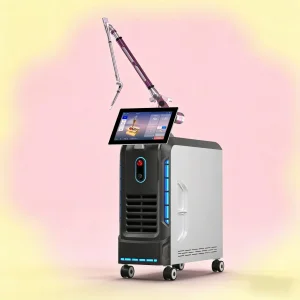
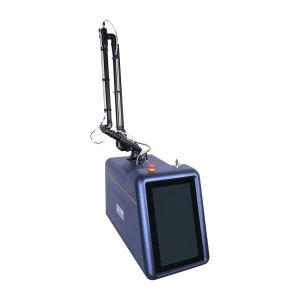
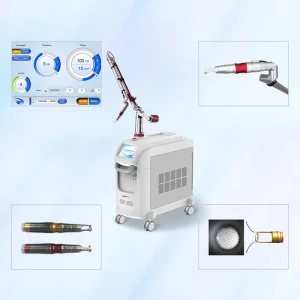
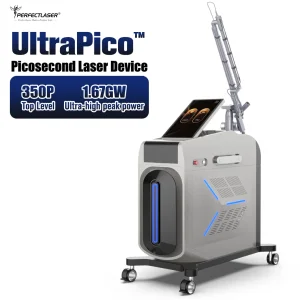
In the upscale medical districts of Polanco, Santa Fe, and Lomas de Chapultepec, dermatology clinics are witnessing an unprecedented rise in patient inquiries for pigmentary clearance, melasma management, and multi-colored tattoo removal. Traditional nanosecond Q-Switched lasers, while once the gold standard, frequently fall short due to their reliance on photothermal reactions, which carry higher risks of post-inflammatory hyperpigmentation (PIH) in Fitzpatrick skin types III-VI—prevalent across the Mexican population. Picosecond technology utilizes photomechanical impact, shattering target pigments into microscopic particles without transferring excess thermal energy to surrounding tissue. This makes picosecond ND:YAG platforms critical capital investments for clinics prioritizing safety and minimal downtime.
Industrial Application: Automotive Glass, Semiconductors, and Pi Film Processing
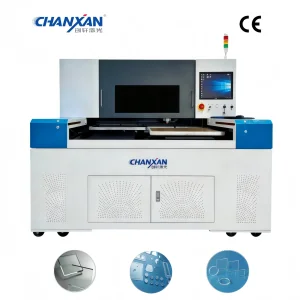
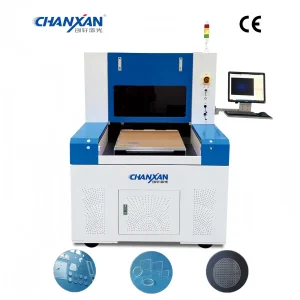
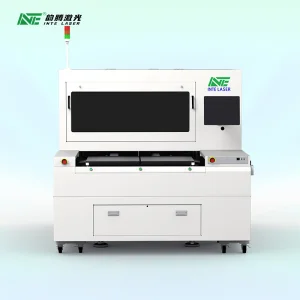
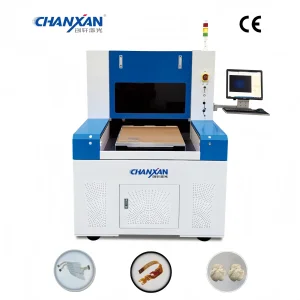
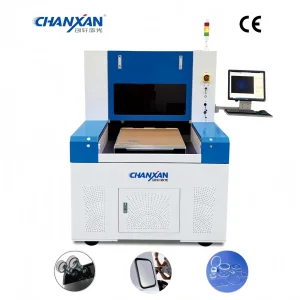
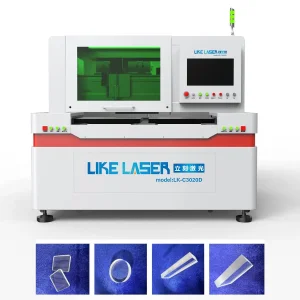
Beyond aesthetics, Mexico City's surrounding industrial corridors—stretching into Estado de México, Querétaro, and Puebla—form the backbone of the region's automotive and electronics assembly sectors. Here, ultrafast picosecond lasers are the premier tool for clean, burr-free micro-processing. The integration of picosecond and CO2 laser technologies allows manufacturers to perform high-speed cutting on tempered glass, automotive safety glass, and flexible polyimide (Pi) films used in modern vehicle dashboards and sensory arrays. Without the thermal damage zone (HAZ) of traditional lasers, picosecond cutting preserves the structural integrity of the substrate, preventing micro-fractures and optimizing assembly yield rates.
The Picosecond Technology Roadmap: From Nanosecond to Femtosecond
Understanding the technological trajectory of ultrashort pulse lasers is essential for strategic procurement. Below is an overview of the key milestones in laser micro-processing and aesthetic delivery:
- Nanosecond (10-9s): Relies on photothermal interactions; generates heat which can deform delicate glass margins or cause skin blistering.
- Picosecond (10-12s): Utilizes acoustic shockwaves (photomechanical effect) to break down targets with minimal heat propagation. Pulse durations range from 300ps to 750ps.
- Femtosecond (10-15s): Extreme precision cold-ablation, utilized primarily in high-end semiconductor manufacturing and specialized refractive eye surgeries.
Advanced Micro-Processing & Portable Systems for CDMX
Engineered for high-volume aesthetic practice and high-yield manufacturing operations alike.
Guangdong Fickle Beauty Co. Ltd.: China Factory 4.0 Supply Chain Integration
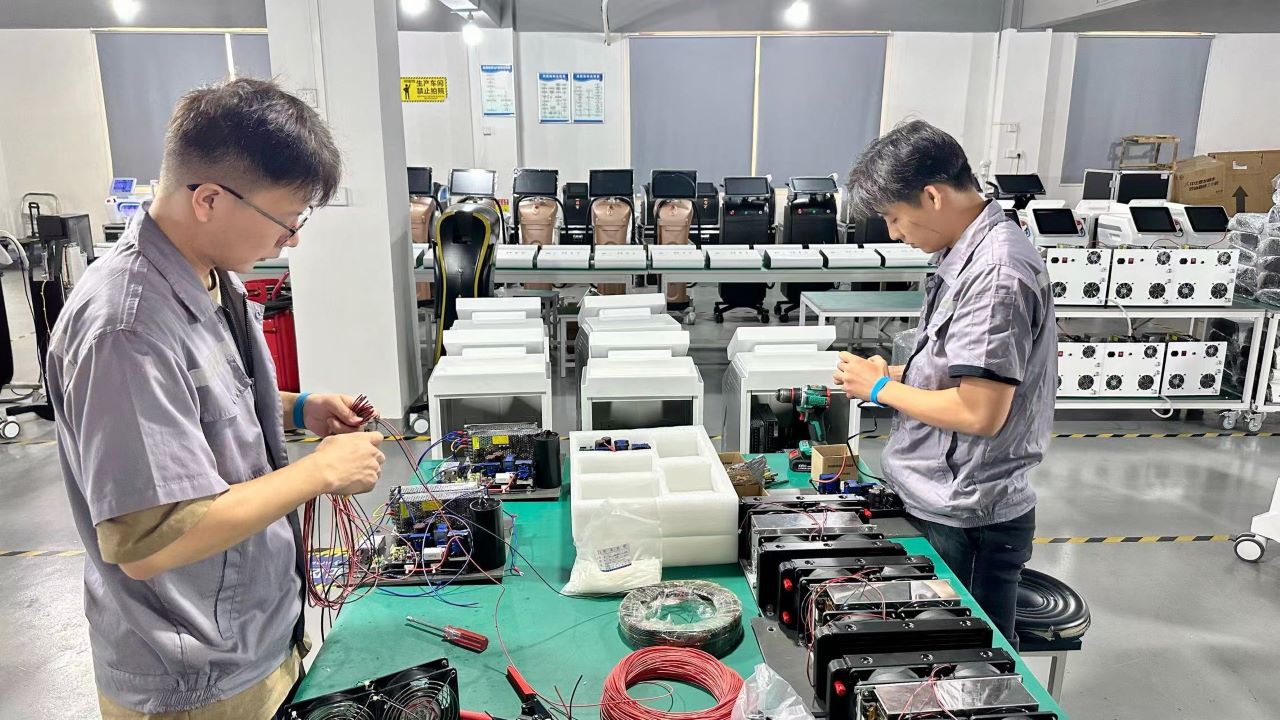
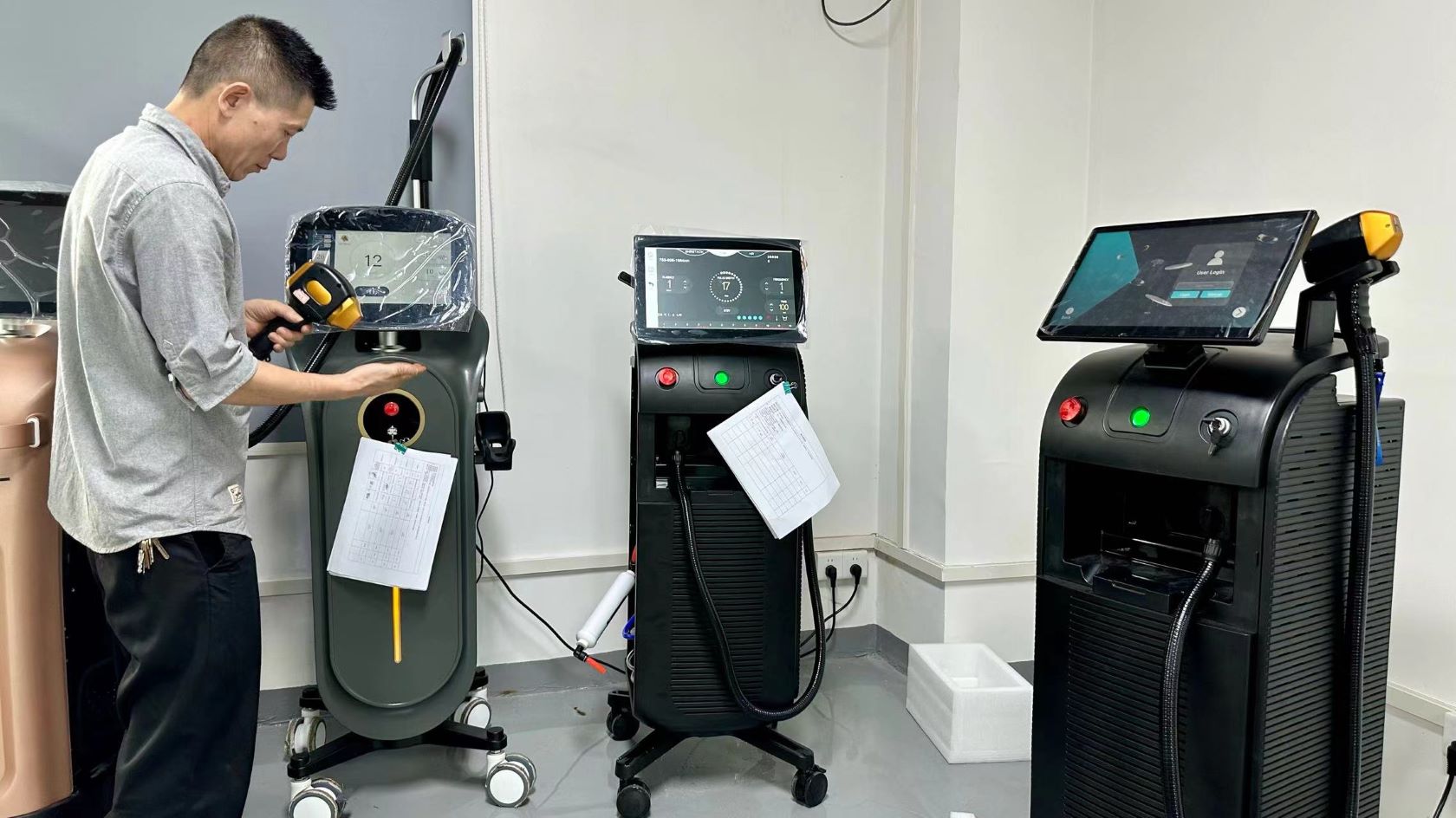
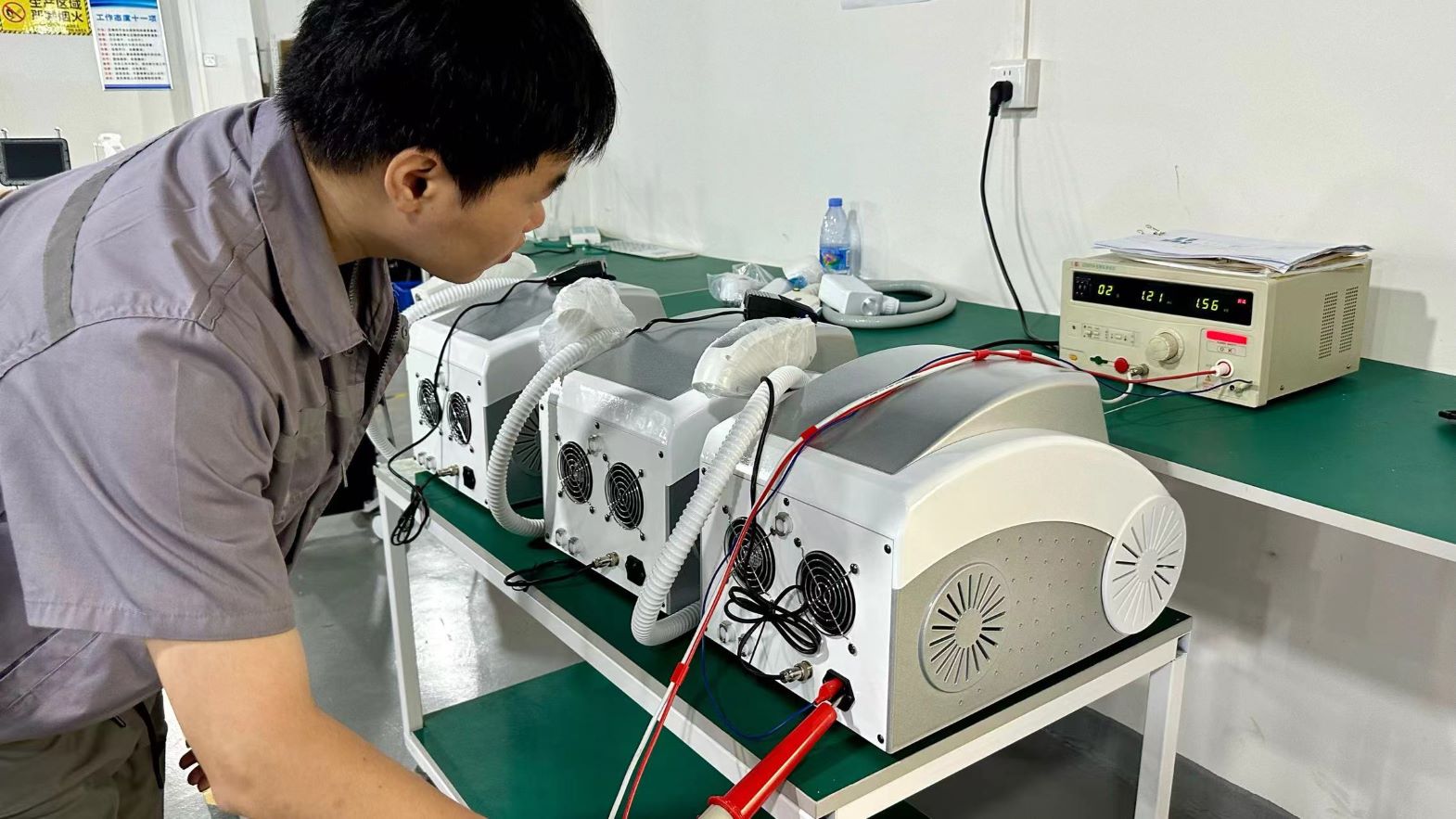
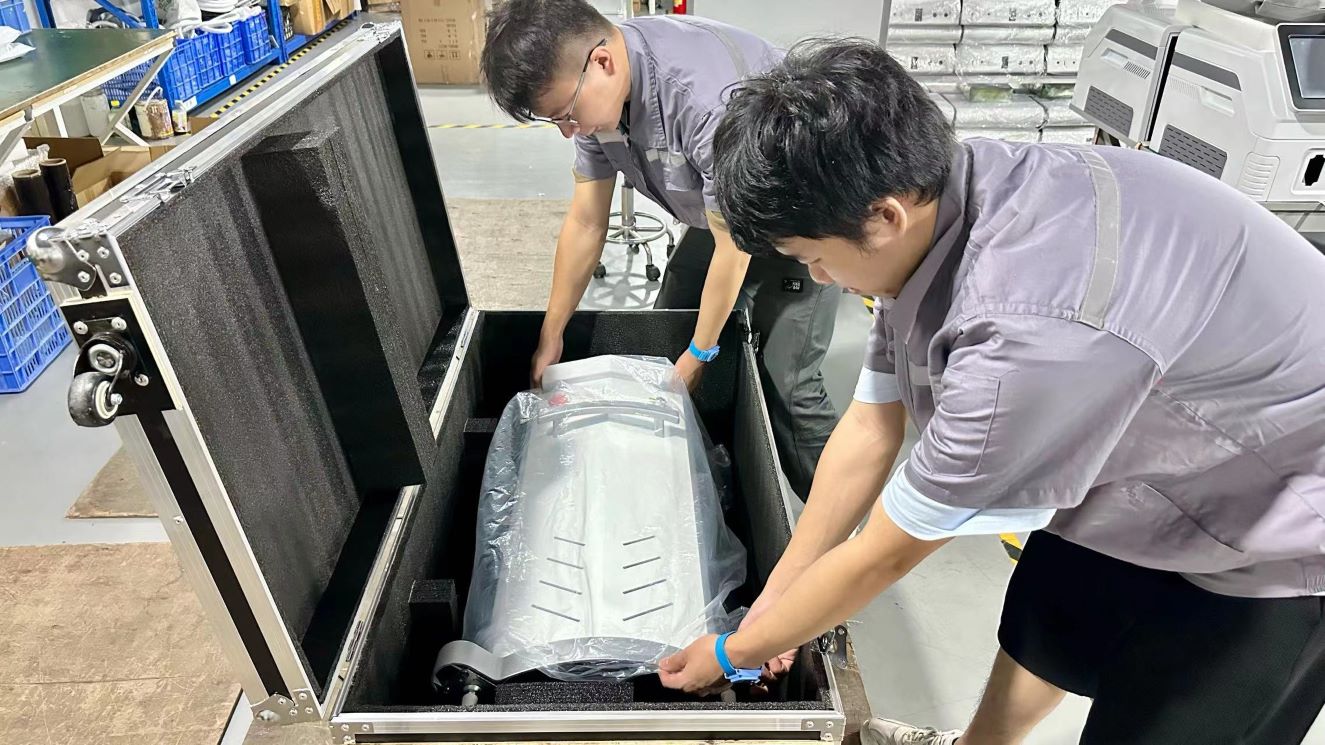
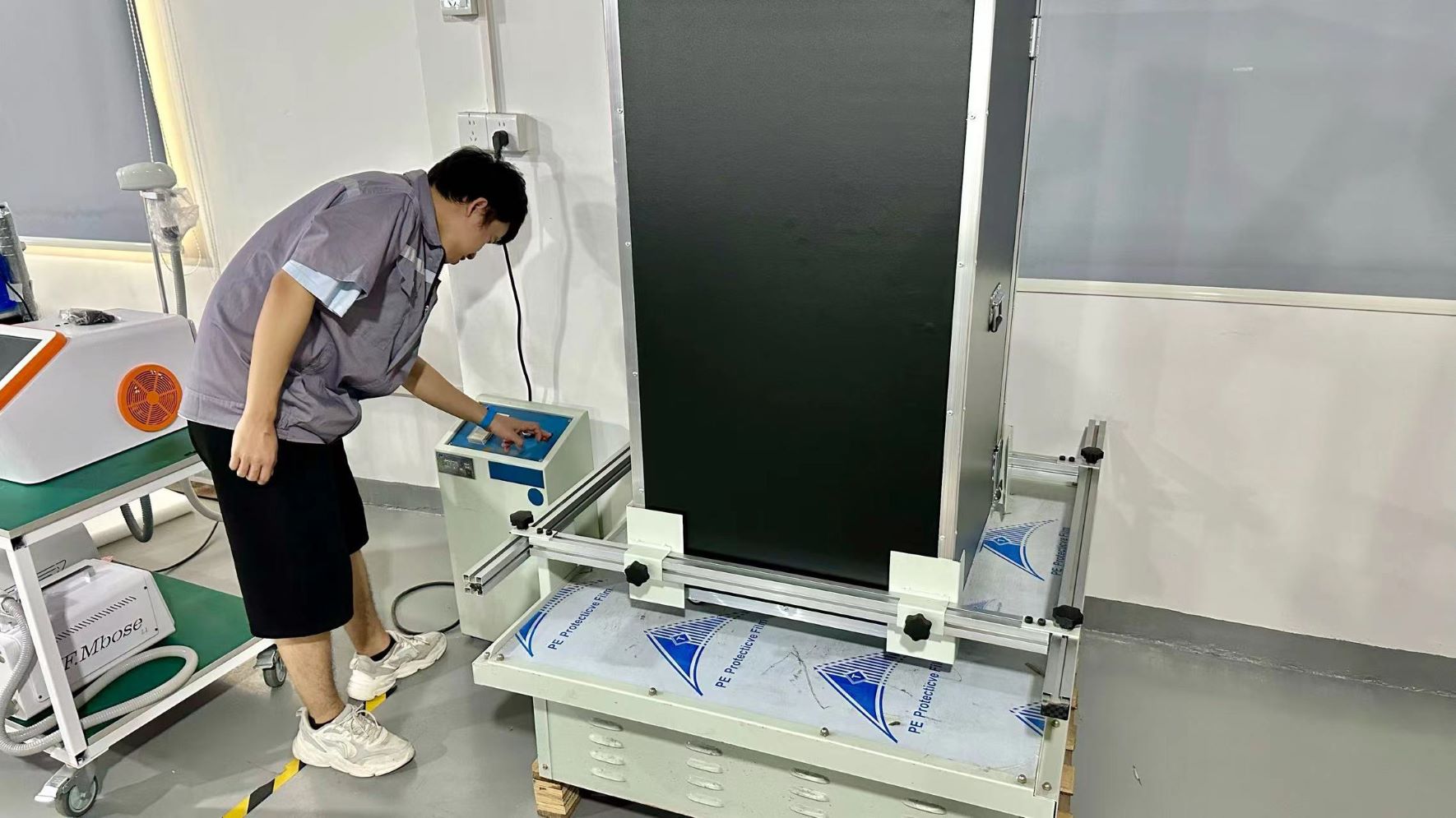
Established in 2003 in Guangzhou, China, Guangdong Fickle Beauty Co. Ltd. has evolved into an industry-leading manufacturer of high-precision beauty and aesthetic systems. Our facilities are built around the principles of Factory 4.0, integrating digital product lifecycle tracking, strict quality checkpoints, and automated assembly to guarantee consistency and reliability across all exported units.
Our commitment to global standards is reflected in our certifications, including CE, ISO, RoHS, TUV, and LVD. By housing research, development, and high-volume assembly under one roof, we eliminate third-party supply chain friction, ensuring that custom adjustments—whether cosmetic branding (OEM) or deep software customization (ODM)—are executed within tight schedules.
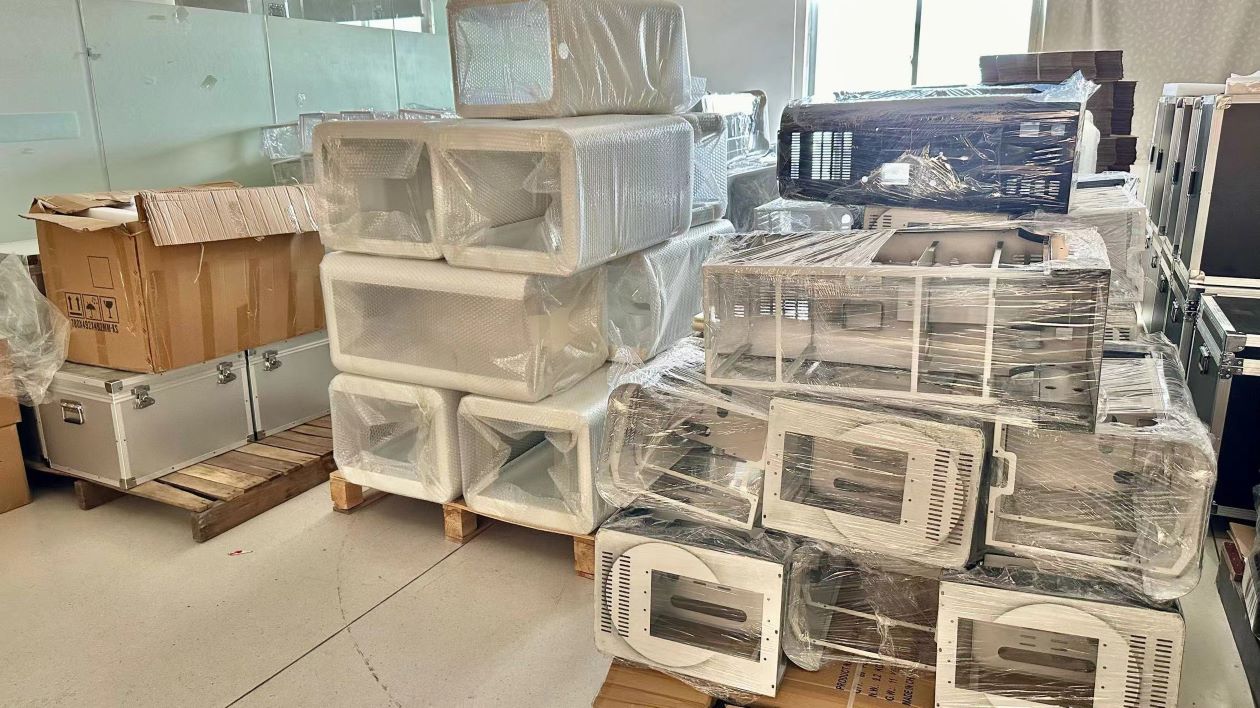
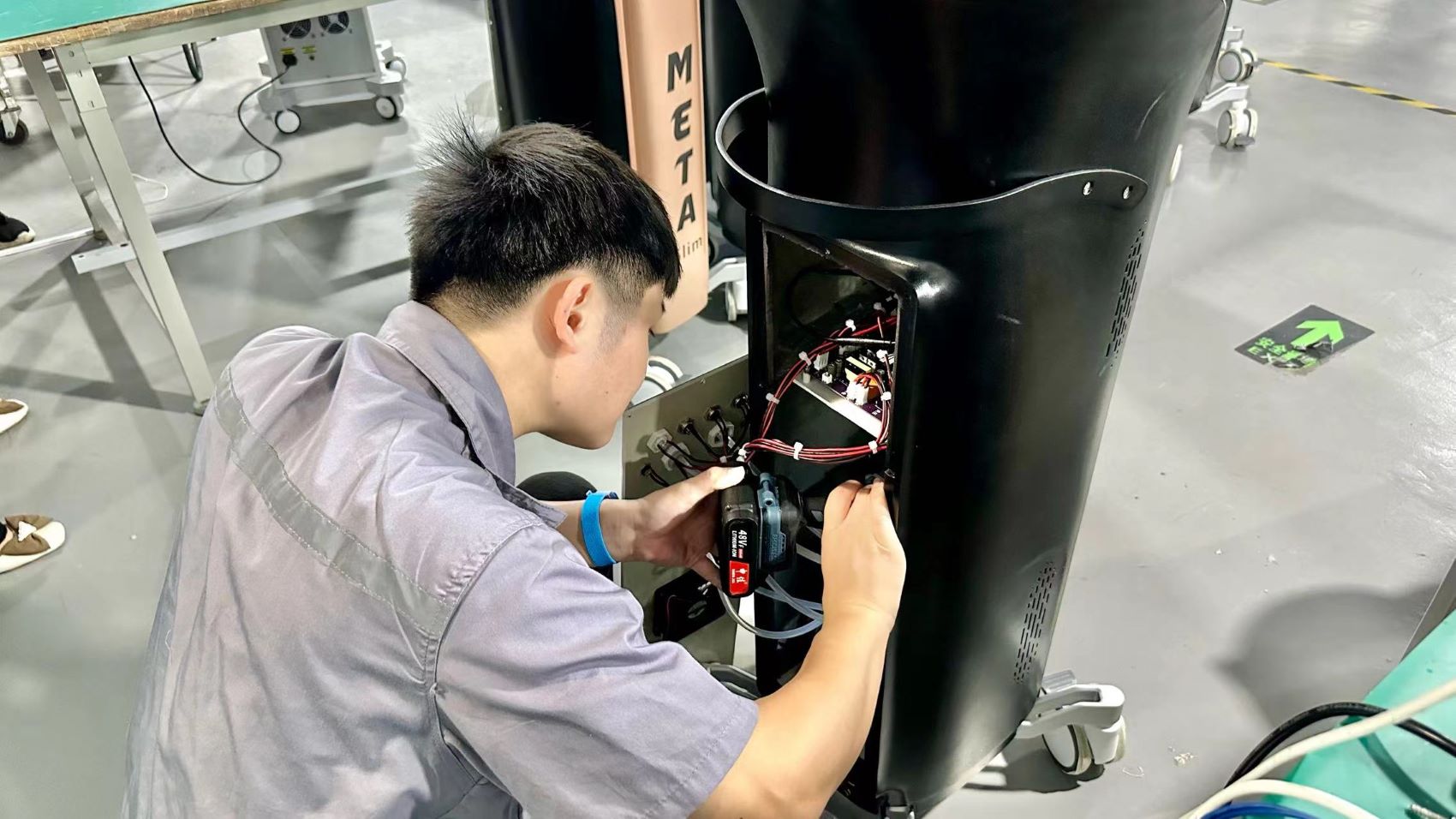
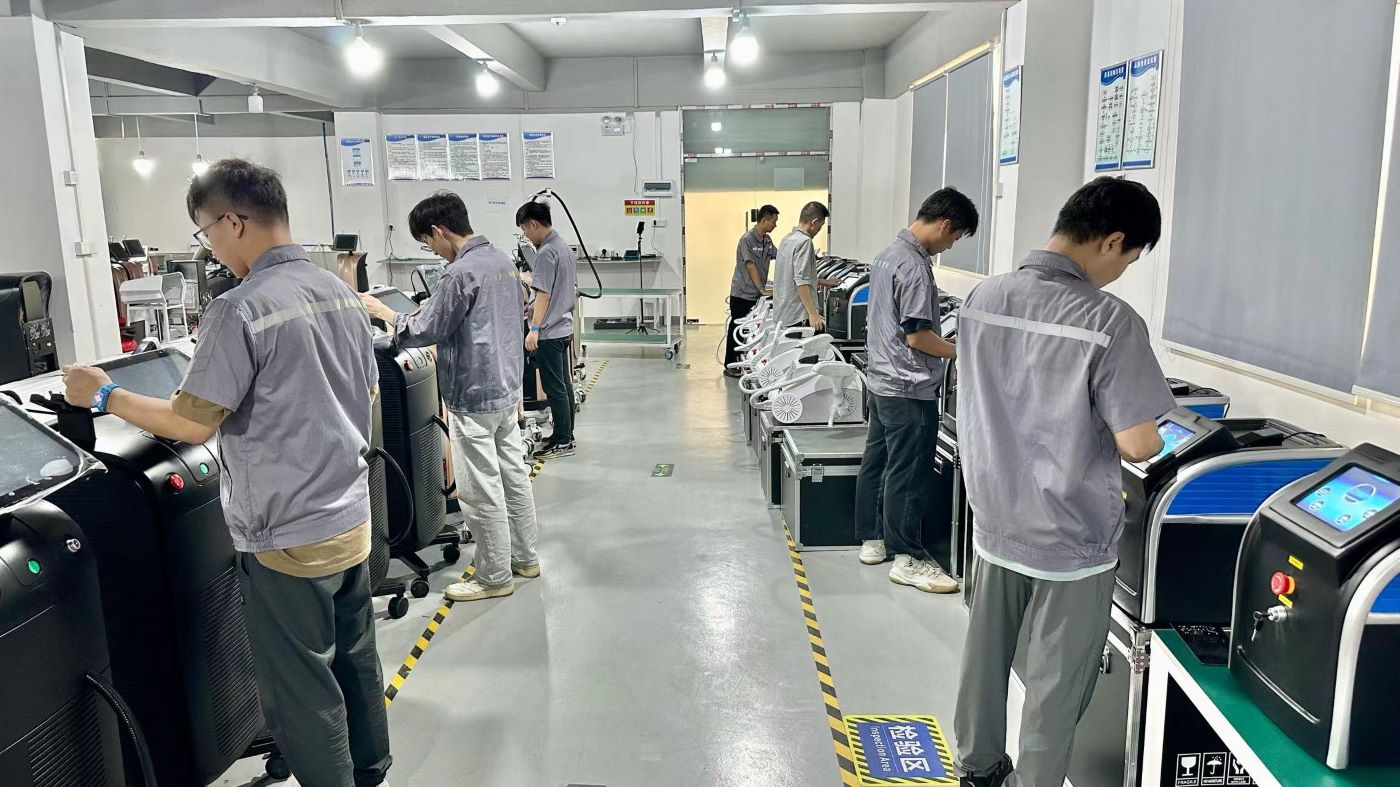
The 11-Stage Production Workflow
To ensure that every machine arriving in Mexico City operates reliably for years, we enforce a strict 11-stage quality verification pipeline:

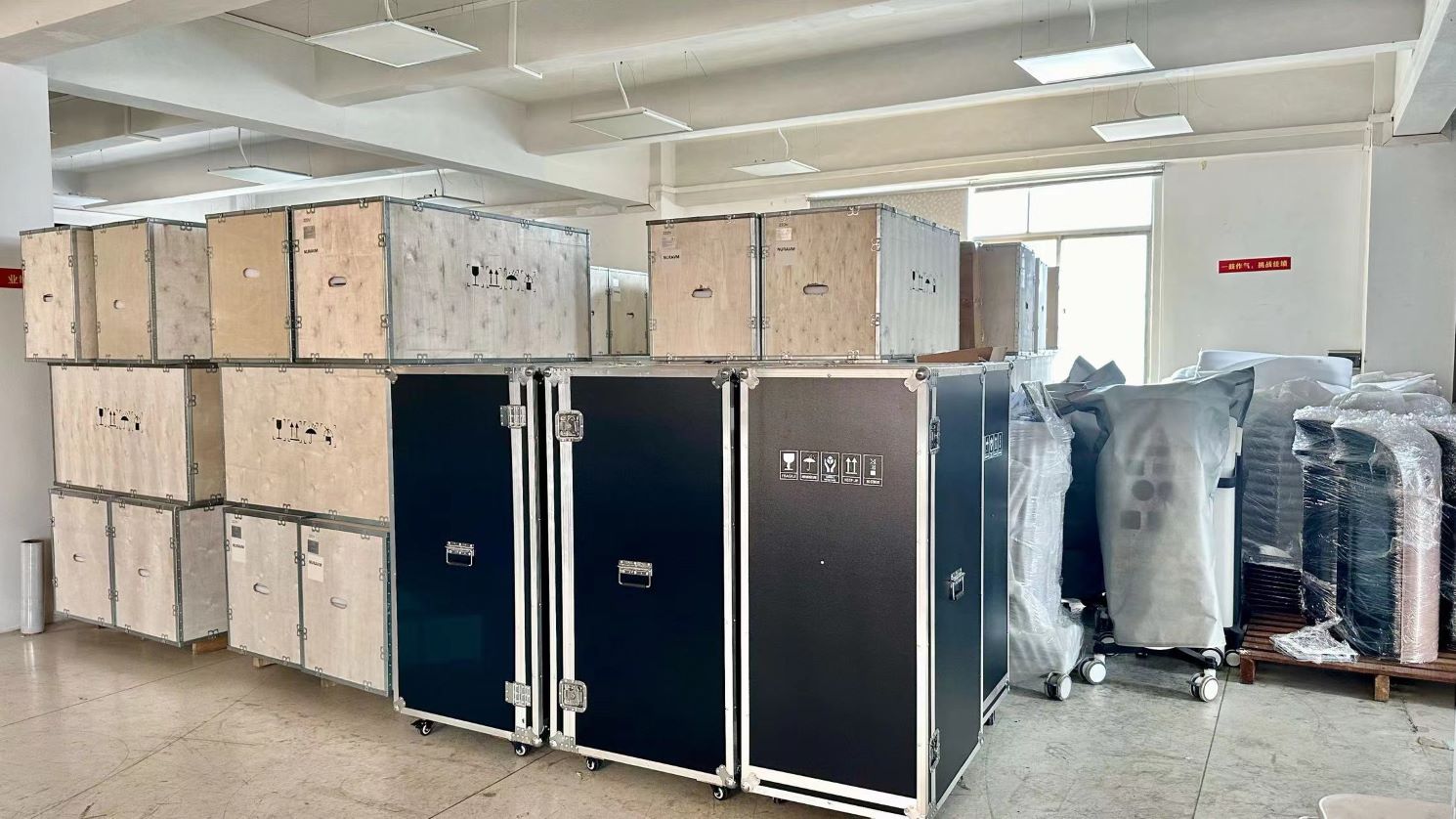
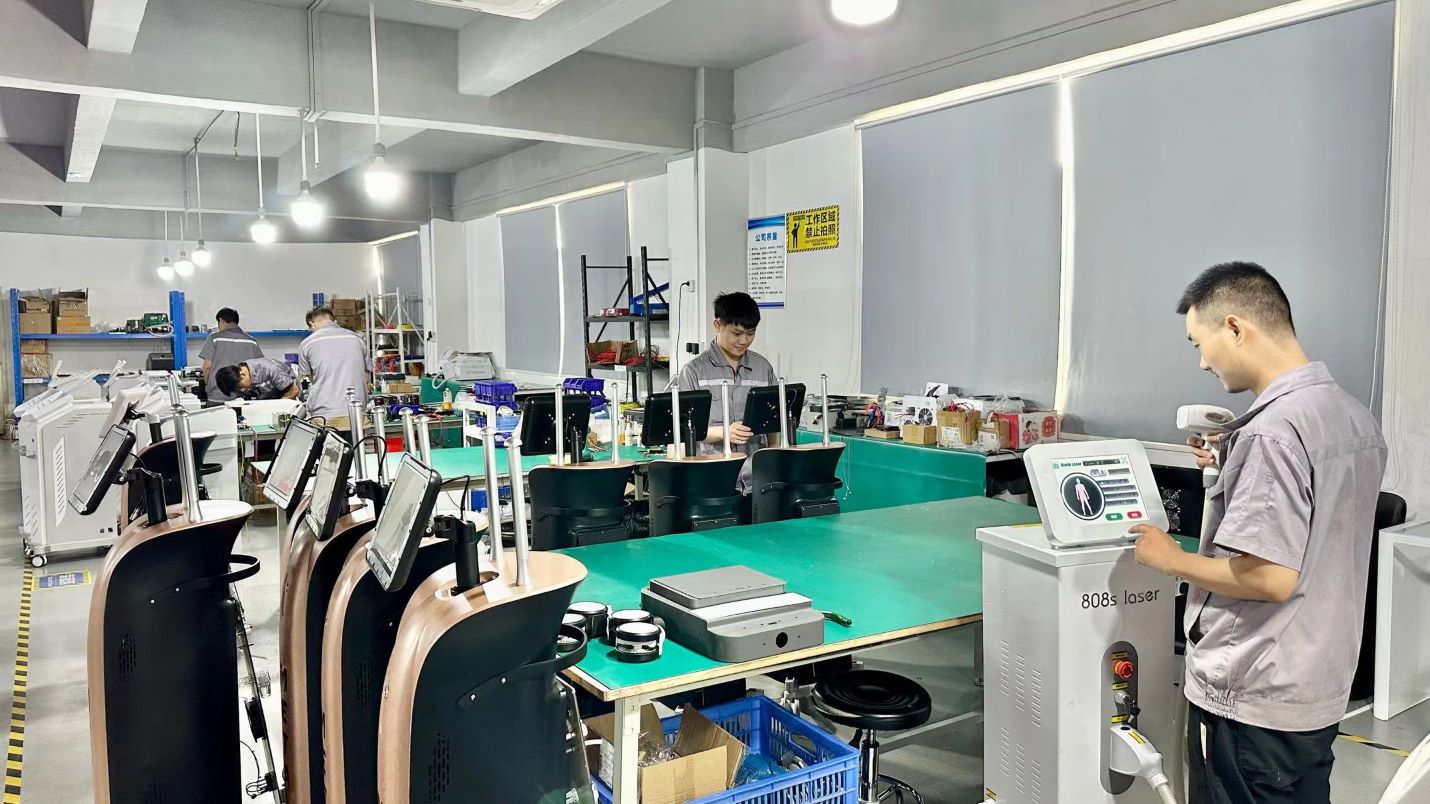
Strict QC Standards
100% Inspected & CertifiedLocal Support, Compliance, and Customs Clearances in Mexico
Importing high-end electronic and medical devices into Mexico requires navigating complex regulatory landscapes. At Guangdong Fickle Beauty, we minimize importing risks for distributors in Mexico City, Guadalajara, and Monterrey by providing end-to-end compliance solutions:
- COFEPRIS & Regulatory Advisory: We provide full technical dossiers, CE certificates, and ISO documentation to assist local importers with COFEPRIS (Comisión Federal para la Protección contra Riesgos Sanitarios) clearance.
- DDP Shipping Options: We coordinate with seasoned freight forwarders specializing in electronics to handle Mexican customs, NOM (Normas Oficiales Mexicanas) certifications, and import duties.
- Technical Support & Warranty: Every machine features a one-year warranty on the main chassis and a 6-month warranty on consumable handpieces and lasers. We provide lifetime online video support, troubleshooting guidance, and spare parts delivery.
Industrial-Grade & Salon-Ready Laser Systems Portfolio
Explore our complete export catalog, featuring advanced configurations optimized for efficiency and performance in Mexico City.

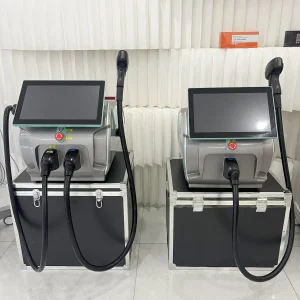
Global Buyer Decision Framework: Procurement & Evaluation Criteria
When selecting a picosecond laser manufacturer for the Central Mexican market, buyers should evaluate key hardware metrics beyond price to ensure a solid return on investment (ROI):
1. Pulse Width and Peak Power Stability
A true picosecond laser must deliver pulse durations under 800 picoseconds. Some lower-grade units use modified nanosecond Q-switch drivers to simulate picosecond speeds. Buyers must verify the peak power rating and pulse duration via oscilloscope diagnostics. High peak power ensures complete fragmentation of stubborn ink and material substrates with minimal thermal accumulation.
2. Handpiece Articulation and Light Guide Quality
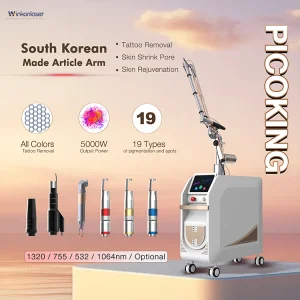
For clinical operators, the light guide arm is critical. Premium imported arms from Korea feature counter-balanced mechanisms that minimize operator fatigue during extended procedures. Optically coated lenses inside the handpieces must have high damage thresholds to prevent internal optics degradation under continuous energy outputs.
3. Dual-Wavelength vs. Multi-Wavelength Versatility
While the standard 1064nm and 532nm wavelengths are effective for dark and warm-toned inks, modern aesthetic practices require additional wavelengths (such as 755nm Alexandrite-equivalent or 585nm/650nm dye handpieces) to successfully clear stubborn green, blue, and sky-blue pigments. Industrial micro-processing systems similarly require wavelength customization (infrared, green, or UV) depending on substrate transparency and light absorption characteristics.
Frequently Asked Questions & Support Insights
Technical answers for clinic directors, engineers, and distributors importing picosecond laser technologies into Mexico.
Partner with a Premier Laser Manufacturer Today
Upgrade your clinical offerings or streamline your glass production lines with our high-power picosecond laser systems. Contact our sales engineers for technical specifications and direct factory pricing.
Send Inquiry Now