Featured Aesthetic Technology
The Global Landscape of Skin Care Technology
An Industrial Deep-Dive into Aesthetic Innovation and Supply Chain Excellence
🌐 Global Market Dynamics
The global medical aesthetics market is undergoing a paradigm shift. With an expected CAGR of 11.5% through 2030, the demand for non-invasive skin rejuvenation and laser-based treatments has surpassed traditional surgical procedures. North America and Europe remain high-consumption hubs, while the Asia-Pacific region is emerging as the fastest-growing manufacturing and innovation center.
🔬 Scientific Advancements
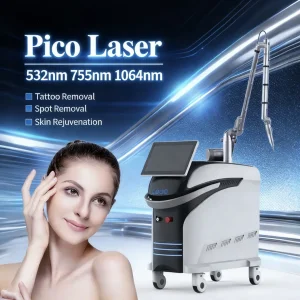
Modern skin care machines are no longer simple mechanical devices. They integrate high-frequency ultrasound, Picosecond laser pulses, and multi-polar Radio Frequency (RF). These technologies allow for deeper dermal penetration with minimal epidermal trauma, catering to the modern "lunchtime procedure" trend where patients seek immediate results with zero downtime.
🤖 AI & Smart Diagnostics
Information gain in this sector is driven by AI. Leading Chinese exporters are now embedding skin analysis algorithms into treatment devices, allowing the machine to auto-adjust energy levels based on the patient's melanin index, moisture levels, and skin elasticity, ensuring safety and precision.
The China Advantage: Manufacturing Efficiency & R&D
⚡ Unparalleled Supply Chain Integration
China's aesthetic equipment sector, particularly in clusters like Guangzhou and Shenzhen, benefits from a "Total Ecosystem" advantage. From raw diode laser modules to advanced cooling systems and ergonomic chassis design, every component is sourced within a 100km radius. This reduces lead times by 60% compared to Western counterparts, allowing for 24-48 hour order fulfillment for standard models.
🛡️ Certified Quality Assurance (E-E-A-T)
As a leading supplier, Guangdong Fickle Beauty Co. Ltd. exemplifies the shift from "Made in China" to "Engineered in China." All machines are certified with CE, ISO, RoHS, TUV, and LVD. This compliance is not just a formality; it represents a commitment to photobiomodulation safety, electromagnetic compatibility, and medical-grade electrical insulation.
🎨 OEM & ODM Flexibility
Global distributors require localization. Whether it’s UI translation for the Italian market, voltage adaptation for Brazil, or custom branding for a US-based clinic chain, Chinese factories offer a modular approach to design. We provide one-stop solutions, from industrial design (ID) to software logic and final certification.
Who We Are: Guangdong Fickle Beauty
Guangdong Fickle Beauty Co. Ltd., established in 2003 in Guangzhou, China, is a leading manufacturer of advanced beauty and aesthetic equipment in the dermatology field. We develop and sell cutting-edge technology machines for professional beauty salons and medical aesthetics. Over the years, we have grown to become one of the largest equipment manufacturers in the industry, with a global network of distributors in China, Asia, Europe, North and South America, and Africa. Our products are highly praised by salon owners and sales agents worldwide.
All our machines are certified with CE, ISO, RoHS, TUV, and LVD, reflecting our commitment to high quality and safety. We focus on research and development, manufacturing, marketing, and service, offering innovative solutions for the beauty and health industry. Our goal is to provide high-quality equipment and excellent service, creating win-win cooperation with our customers.
Core Expertise
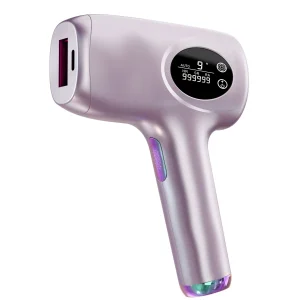
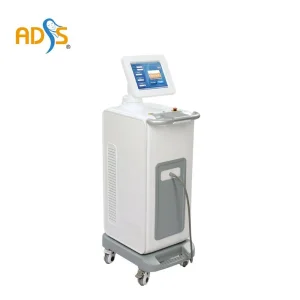
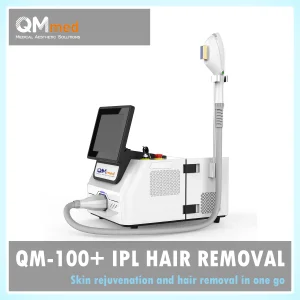
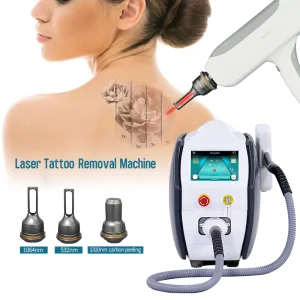
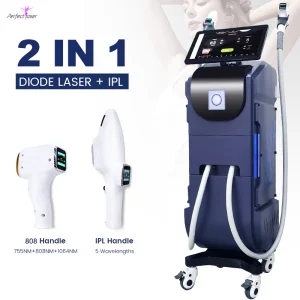
- ✅ Laser Hair & Tattoo Removal
- ✅ Anti-Aging Facial Systems
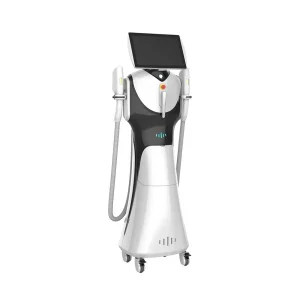
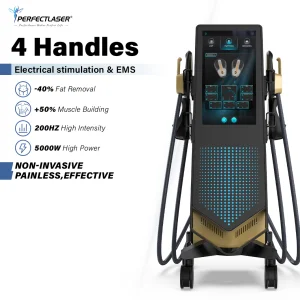
- ✅ EMS Body Slimming & Sculpting
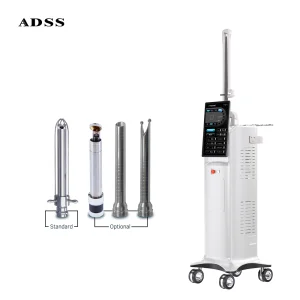
- ✅ CO2 Fractional Laser Systems
- ✅ Oxygen Therapy & RF Series
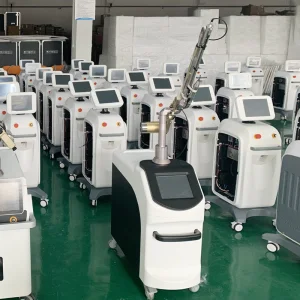
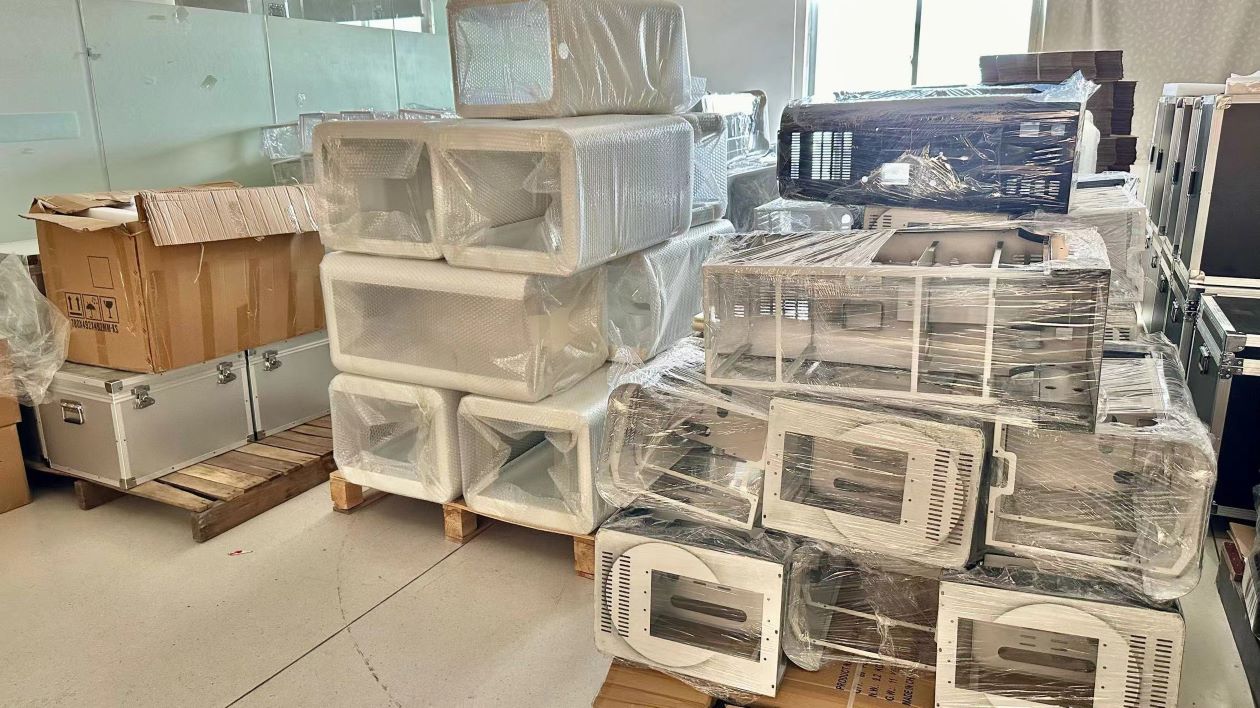
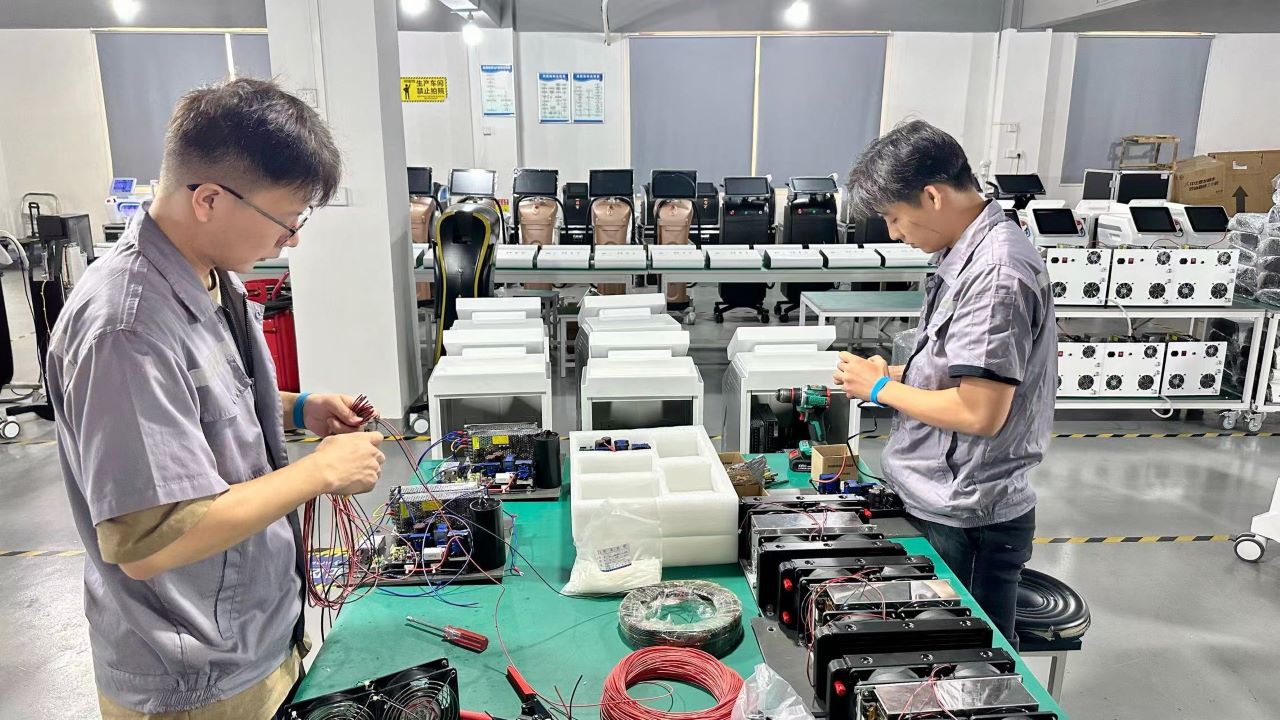
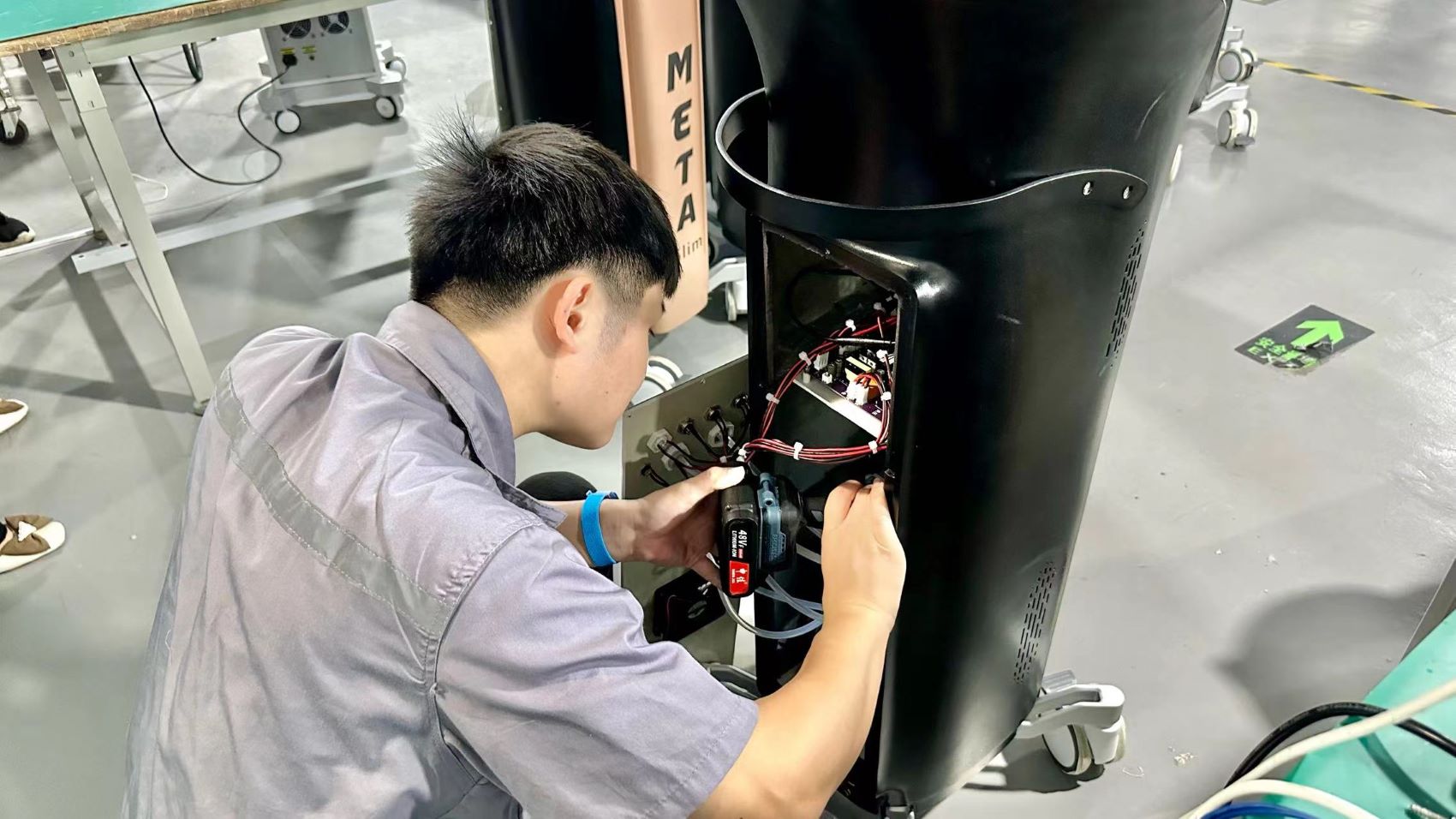
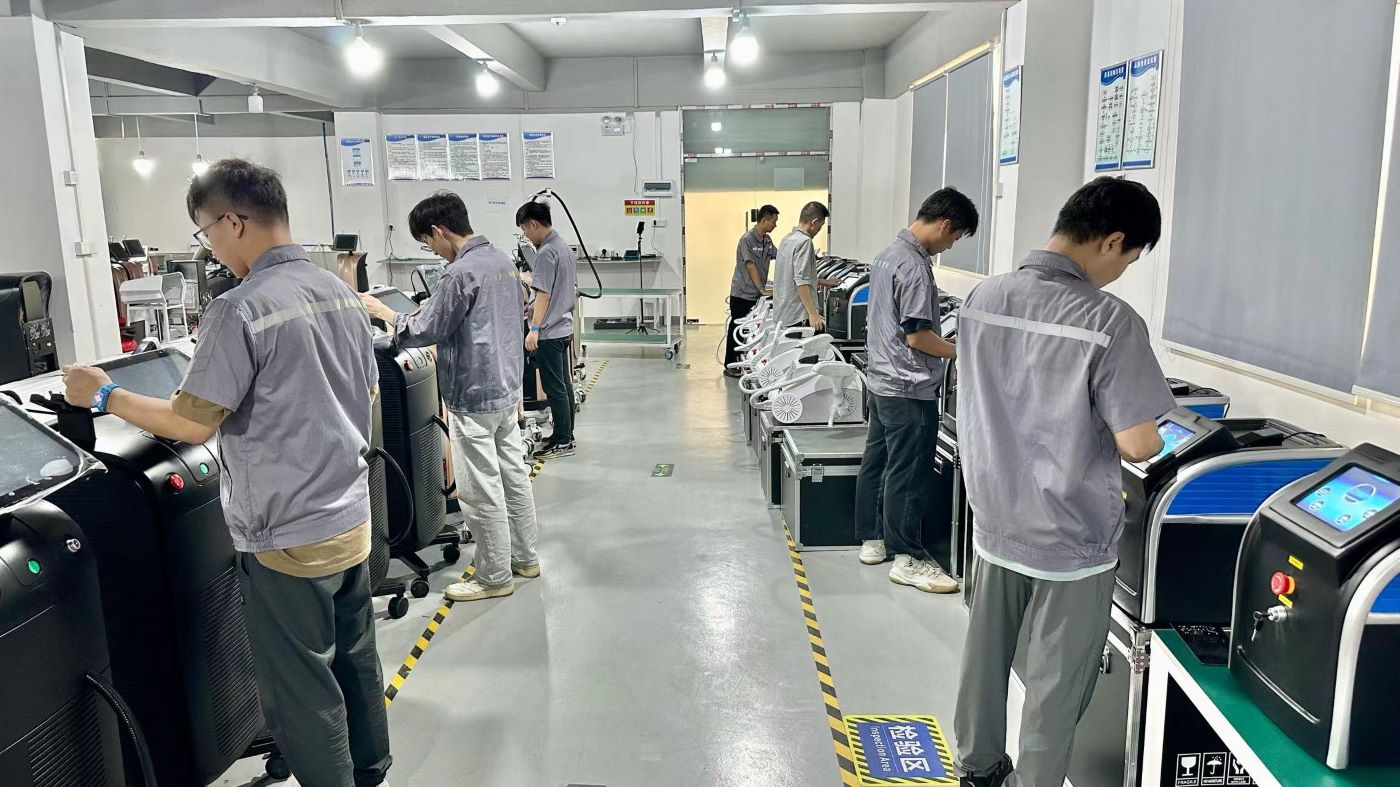
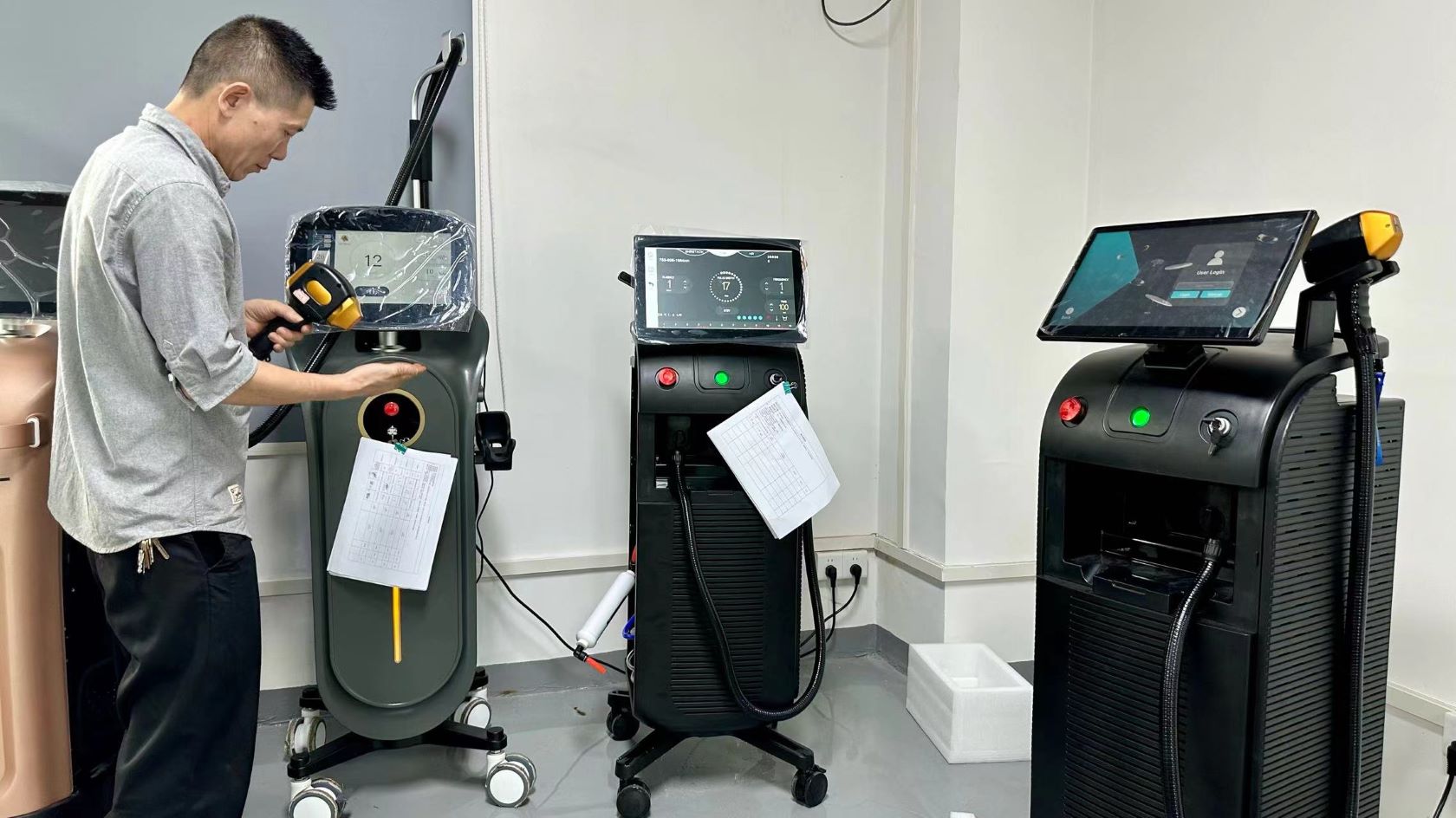
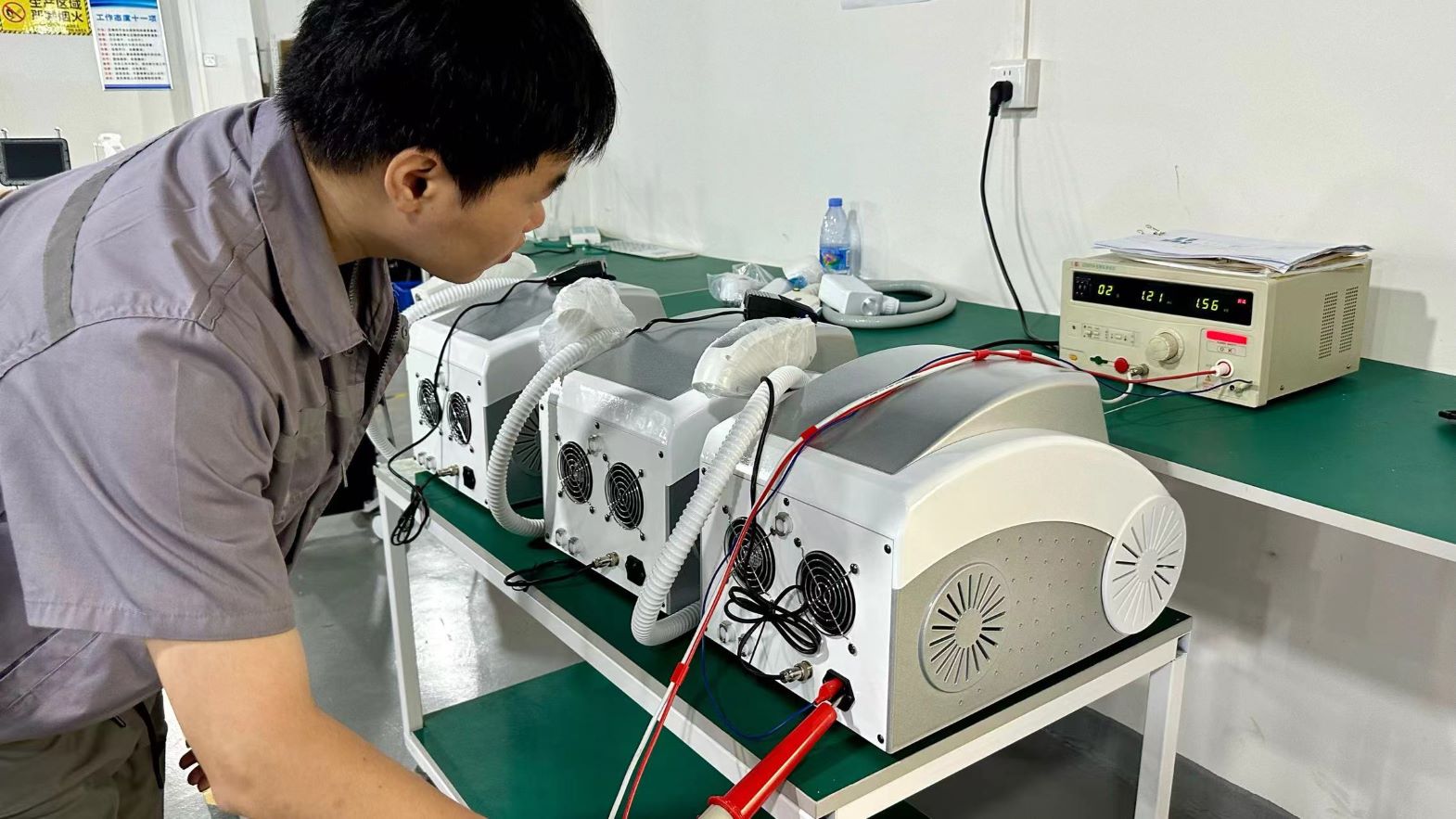
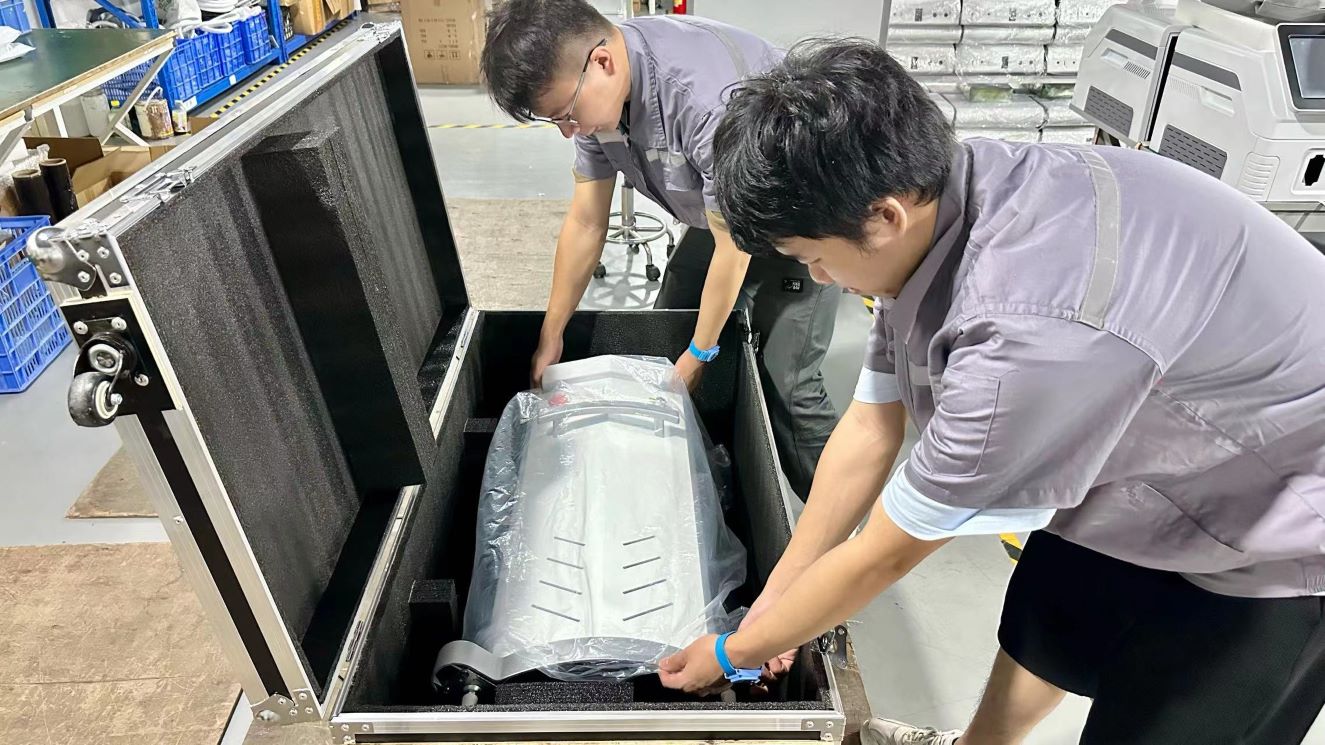
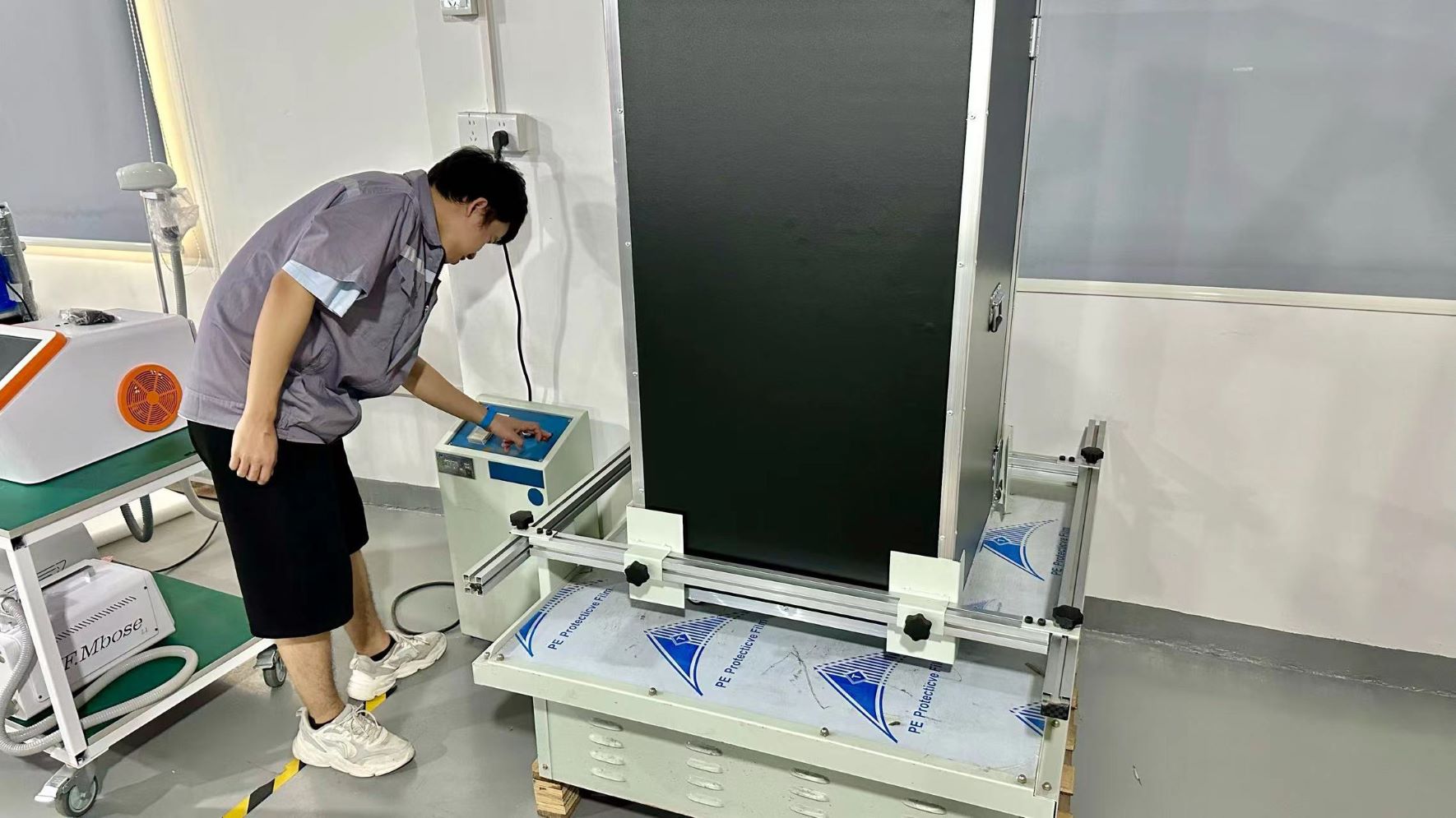
Precision Manufacturing Process
Standardized Workflow Ensuring Every Unit Meets International Standards
Localized Application Scenarios
Tailored Solutions for Different Business Models
🏥 Medical Aesthetic Clinics
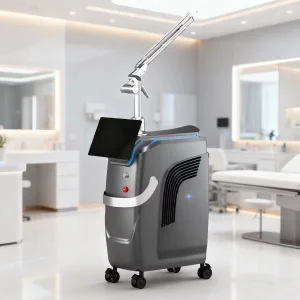
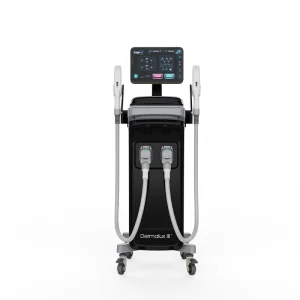
High-power systems like the 5000W 14 Tesla EMS Neo or Picosecond Laser are essential. These require medical certification and robust cooling systems to handle high patient throughput without energy degradation.
💆 Luxury Day Spas
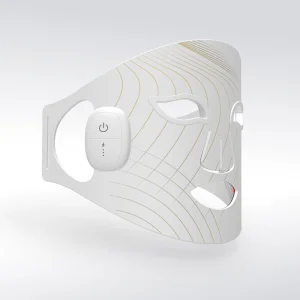
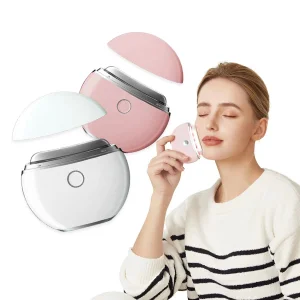
Focus on non-invasive rejuvenation. LED Therapy Masks, Electric Guasha, and RF facial rollers provide immediate aesthetic gratification, enhancing the client’s wellness journey with zero recovery time.
🏠 Premium Home Use
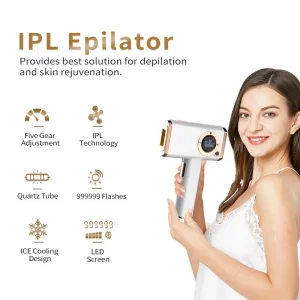
The miniaturization of IPL and LED technology allows for professional-grade results at home. 510K cleared wireless masks are leading the "Beauty-at-Home" trend, offering a lucrative retail opportunity for distributors.
2025 Industry Growth Trends
1. Bio-Feedback Integration: Future machines will use real-time sensors to detect skin impedance, adjusting RF or Laser output millisecond by millisecond for ultimate safety.
2. Sustainable Manufacturing: Reducing the carbon footprint of heavy medical equipment through recyclable aluminum alloys and energy-efficient power supplies.
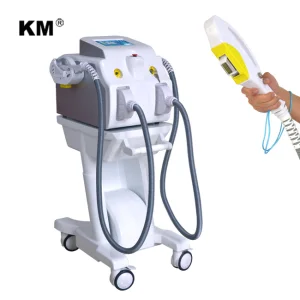
3. Multi-Modality Platforms: Single-purpose machines are being replaced by modular platforms where one base unit can perform IPL, Laser, and RF through interchangeable handpieces.