Why is My Anti Aging Cream Not Effective for Best Results?

Time:2026-07-03 Author:Liam
0%

Many people ask, "Why is my anti aging cream not working?" This question highlights a common frustration in the quest for youthful skin. Despite investing in various products, the desired results often remain elusive. It is essential to understand that not all creams suit every skin type. Ingredients play a crucial role in the effectiveness of these products.

Many creams claim to deliver instant results, but real change takes time. Factors like skin type, application method, and product ingredients can influence outcomes. For instance, if your skin is sensitive, certain harsh chemicals may not suit you. It is important to choose products tailored to your unique needs.

Moreover, consistency is key. Regular use of anti-aging creams tends to yield better results. Yet, it’s easy to lose patience when visible improvements are slow. If you find yourself frustrated, it may be worth consulting a skincare professional. They can provide tailored advice and help identify any missteps in your routine. Ultimately, understanding why a product may not work for you can lead to better choices in the future.
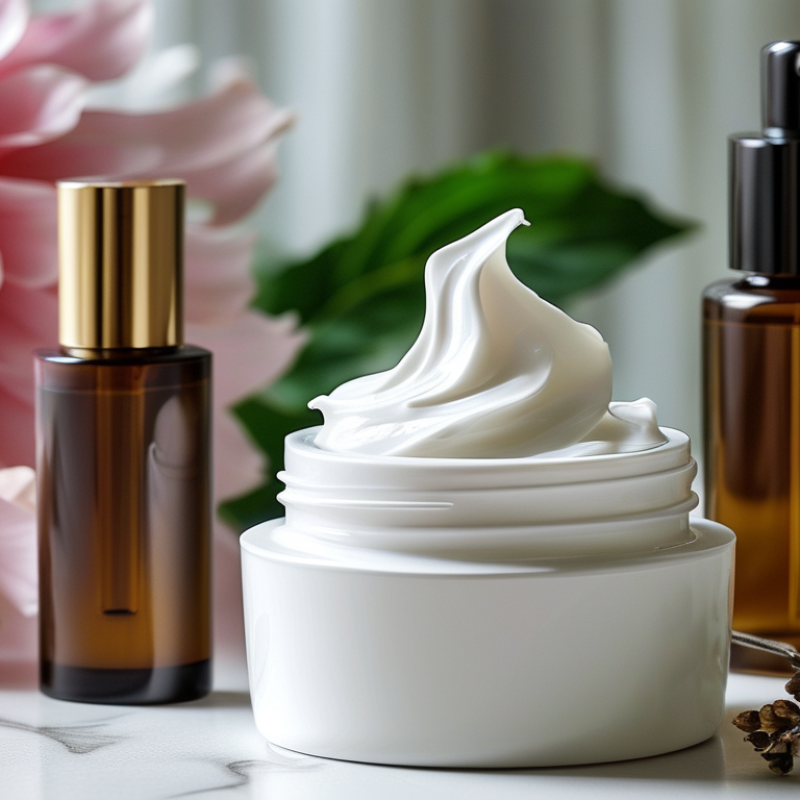
Why is My Anti Aging Cream Not Effective for Best Results?

Common Ingredients in Anti-Aging Creams and Their Effectiveness

When choosing an anti-aging cream, it's vital to understand the common ingredients and their effectiveness. Many creams claim anti-aging benefits, yet not all live up to expectations. Retinoids, for instance, are often lauded for their ability to promote collagen production. Research shows that topical retinoids can reduce fine lines and improve skin texture. However, users may experience irritation if they use them too frequently.


Hyaluronic acid is another popular ingredient. It retains moisture, plumping the skin and reducing the appearance of wrinkles. A study published in the Journal of Dermatology found that hyaluronic acid improves skin elasticity. Despite this, the results may vary based on individual skin types and environmental factors.

Tip: Always conduct a patch test before trying a new cream.


Peptides are becoming more recognized for their anti-aging properties. They signal skin cells to produce more collagen and elastin. A report by the American Academy of Dermatology indicates that peptides can smooth out fine lines. Yet, it's essential to note that not all peptide formulations are created equal. Efficacy can depend on the delivery system used.

Tip: Consider consulting a dermatologist for specific ingredient recommendations tailored to your skin type.

If your anti-aging cream isn’t producing results, reflect on its ingredients and consider your skincare routine. Perhaps your expectations are too high, or the product isn’t compatible with your skin. Always prioritize understanding the science behind your skincare choices for the best outcomes.

Understanding Skin Types and Their Response to Anti-Aging Products

Understanding your skin type is crucial for selecting anti-aging products. Different skin types react uniquely to ingredients. For instance, oily skin may benefit from lighter formulations, while dry skin often requires richer creams. Identifying your skin's needs can guide your choice and enhance results.

Additionally, environmental factors play a role in how your skin responds. Sun exposure, pollution, and climate can alter skin behavior. Furthermore, consistent use of a product is vital. Some users expect immediate results, but the skin may take time to show improvements.

Many people neglect to consider the overall skin health routine. Diet, hydration, and sleep all contribute to skin aging. A focused approach combining effective anti-aging creams with healthy habits may yield better outcomes. Reflect on your regimen and be patient in your pursuit of youthful skin.

Application Techniques: How to Maximize Anti-Aging Cream Absorption

The effectiveness of your anti-aging cream can depend greatly on how you apply it. Proper application techniques can significantly enhance absorption and results. Start with a clean face. Use a gentle cleanser to prepare your skin. Pat your face dry instead of rubbing it. This keeps your skin calm.

To boost absorption, warm your cream slightly between your fingers before applying. This can activate the ingredients and help them penetrate better. Use upward, circular motions when applying the cream. This technique not only spreads the product evenly but also promotes blood circulation. Remember, a little goes a long way.

Hydration is key. Use your cream on slightly damp skin. This can lock in moisture and maximize the benefits. Avoid applying too much; excess product may not absorb properly and can clog pores. For tips, consider trying a facial massage with your cream to improve circulation and absorption. Reflect on your own routine and adjust to find the best method that suits your skin type.

Factors Influencing Anti-Aging Cream Efficacy Beyond Ingredients

When using an anti-aging cream, many people expect immediate visible results. However, several factors can influence the effectiveness of these products. One major aspect is application technique. Applying the cream without sufficient hydration may limit absorption. Patting the cream gently onto the skin can enhance penetration.

Another important factor is consistency. Skipping days can reduce the long-term benefits. Regular use ensures that the active ingredients have time to work effectively. Skin type also plays a critical role. Oily skin may react differently compared to dry or sensitive skin. Testing the product on a small area can help avoid potential irritation.

Environmental influences should not be overlooked. Sun exposure and pollution can hinder the cream's effectiveness. Incorporating sunscreen can protect the skin and enhance results. Additionally, lifestyle choices like diet and stress levels impact skin health. Reflecting on these factors can lead to better outcomes with your anti-aging regimen.

Realistic Expectations: Timeline for Visible Results from Anti-Aging Products

Visible results from anti-aging products often take time. Industry reports indicate that many users expect changes too quickly. For instance, noticeable improvements in skin texture and firmness may require a consistent application over 8 to 12 weeks. A 2021 study found that over 70% of users abandoned their regimens due to impatience, seeking immediate results.

The skin's natural turnover rate plays a role. It typically renews every 28 days, but this slows as we age. The delayed response can lead to frustration. Users might apply a cream diligently for a few days, expecting miracles, only to see little change. In reality, continuous use can enhance the skin's appearance, leading to gradual improvements in fine lines and radiance.

Moreover, hydration and sun protection are crucial. A report by the American Academy of Dermatology emphasizes that without these foundational steps, anti-aging products may falter. The importance of a holistic approach cannot be understated. Users need to adjust their expectations and commit to a comprehensive skincare routine for the best results. Consistency is key.

Antioxidant Levels in Popular Anti-Aging Ingredients

FAQS

: What ingredients are commonly found in anti-aging creams?

: Retinoids, hyaluronic acid, and peptides are commonly used ingredients. Each has distinct benefits for the skin.

How do retinoids benefit the skin?

Retinoids promote collagen production, reducing fine lines and improving skin texture. However, they can cause irritation if overused.

Why is hyaluronic acid popular in skincare?

Hyaluronic acid retains moisture, plumps the skin, and reduces wrinkles. Results can vary based on skin type and environment.

What should I do before trying a new anti-aging cream?

Conduct a patch test to avoid potential irritation. This can prevent unwanted reactions to new ingredients.

How can peptides help with anti-aging?

Peptides signal skin cells to produce more collagen. Not all formulations are effective; it's important to choose wisely.

Why is understanding my skin type important?

Different skin types respond uniquely to ingredients. Knowing your skin can help you select the right anti-aging products.

How do environmental factors affect my skin’s aging process?

Factors like sun exposure and pollution can alter how your skin reacts to products. Consider these influences in your routine.

What is a common mistake people make with anti-aging products?

Many expect immediate results. Skin improvements take time; patience is essential for seeing benefits from your routine.

Are there effective application techniques for creams?

Yes, apply creams on clean, slightly damp skin. Use upward motions and avoid using too much product for optimal absorption.

How should I adjust my skincare routine?

Reflect on your regimen. Combine effective products with healthy habits like diet and hydration for better results.

Conclusion

Anti-aging creams are popular solutions for maintaining youthful skin, yet many users find themselves asking, "Why is my anti aging cream not working?" Various factors contribute to this issue, including the effectiveness of common ingredients, the user's skin type, and appropriate application techniques. Different skin types respond uniquely to anti-aging products, which means that what works for one person may not be effective for another. Additionally, mastering application techniques can significantly enhance the absorption and impact of the cream.

Moreover, it’s important to consider factors beyond just the ingredients. Environmental influences, overall skincare routines, and lifestyle choices can also affect the efficacy of anti-aging products. Setting realistic expectations regarding the timeline for visible results is crucial, as improvement can take time and varies from person to person. Understanding these elements can help you reassess your approach to anti-aging creams and potentially enhance their effectiveness.

Liam

Liam

Liam is a dedicated marketing professional with a profound expertise in the industry, where he excels at highlighting the unique advantages of our core products. With a keen understanding of market trends and consumer needs, Liam frequently updates our company’s professional blog, providing......