7 Best Answers Why Does Laser Tattoo Removal Hurt So Much?

Time:2026-09-22 Author:Sienna
0%

Why does laser tattoo removal hurt so much? This question is common among people preparing for their first treatment. Many patients describe the feeling as tiny hot snaps against the skin, similar to rubber bands flicking rapidly. Others notice a sharp sting, warmth, or a brief burning sensation. The discomfort usually lasts only during each laser pulse, but the treated area may remain tender afterward. That difference matters.

Laser energy targets tattoo pigment beneath the skin and breaks it into smaller particles. The rapid heat can stimulate nearby nerve endings, creating sudden pain. Tattoo depth, ink density, color, body location, and treatment settings can all change the experience. Ribs, ankles, wrists, and areas with little fatty tissue often feel more sensitive. Dark, dense tattoos may also require stronger or repeated passes. Cooling devices can help, although they do not remove every uncomfortable sensation.

This guide explores seven practical answers to the question, “Why does laser tattoo removal hurt so much?” It considers skin sensitivity, laser technology, tattoo characteristics, and aftercare. A qualified laser practitioner should assess your skin, explain realistic expectations, and adjust treatment safely. Personal experience is useful, but it is not a substitute for professional evaluation. Honestly, some online descriptions make the process sound easier than it feels. Others exaggerate the pain. The truth usually sits somewhere between those extremes, and careful treatment can make a meaningful difference.
7 Best Answers Why Does Laser Tattoo Removal Hurt So Much?

How Laser Tattoo Removal Works and Why It Causes Pain

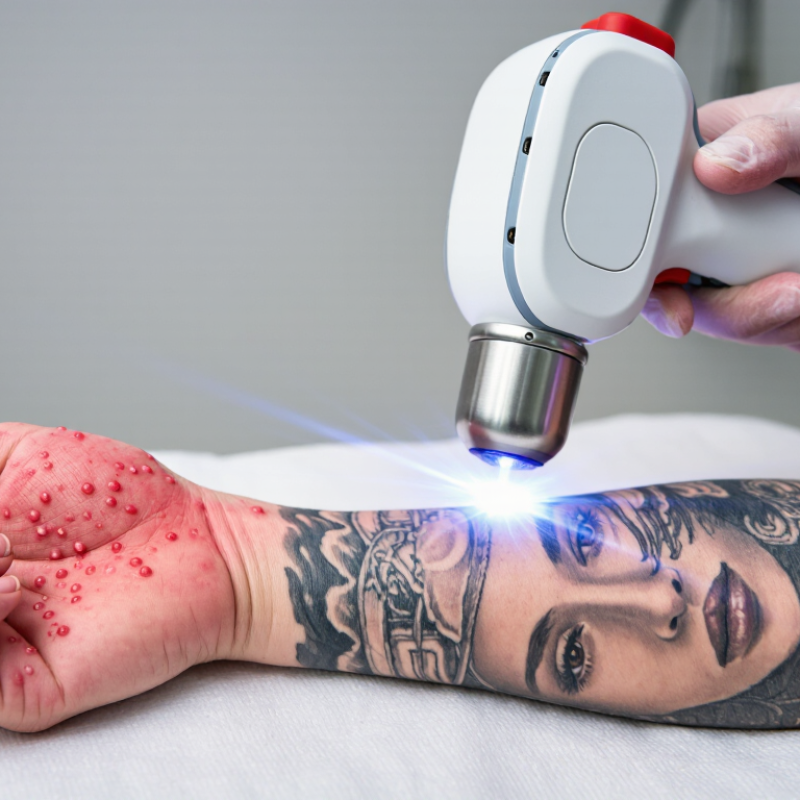
Laser tattoo removal works through selective photothermolysis. Short laser pulses target tattoo ink without intentionally removing all surrounding skin. The pigment absorbs light and heats rapidly. This creates tiny pressure waves that fragment the ink. Nearby nerve endings sense both heat and vibration. Patients often describe the feeling as hot pinpricks or a rubber band snapping repeatedly. It can be intense. Dark, dense ink usually absorbs more energy, while ribs, ankles, and the sternum often feel more sensitive. A 2023 review in Lasers in Medical Science identifies treatment discomfort as a common limitation, although pain scores vary between patients.

Session length also affects discomfort. A small tattoo may take seconds, but larger designs receive many pulses. The American Society for Laser Medicine and Surgery notes that many tattoos require approximately six to ten treatments, commonly spaced several weeks apart. The U.S. Food and Drug Administration also warns that complete removal is not guaranteed. Skin tone, ink depth, color, and immune response influence the result. In clinical practice, cooling devices and topical anesthetics can reduce pain, but they cannot remove it completely. I once assumed stronger settings meant faster progress. That is not always true. Excessive energy may increase blistering, pigment changes, and healing problems. A careful clinician adjusts wavelength, pulse settings, and intervals after examining the tattoo and skin. Pain deserves honest discussion. Personal tolerance is not a reliable treatment plan.

Laser Tattoo Removal: Wavelengths Behind the Pain

Q-switched and picosecond lasers remove tattoo ink by delivering extremely short pulses of light. The ink absorbs the selected wavelength, heats rapidly, and undergoes photoacoustic fragmentation. This sudden thermal and mechanical effect can stimulate pain receptors, while heat transferred to surrounding tissue may produce a sharp snapping or rubber-band-like sensation. Shorter wavelengths are commonly used for red, orange, and yellow pigments, whereas longer wavelengths are widely used for black and dark blue ink.

Seven Main Reasons Laser Tattoo Removal Can Hurt

Why Does Laser Tattoo Removal Hurt So Much?

Laser tattoo removal can hurt because the treatment uses rapid light energy to break tattoo pigment into smaller particles. The skin may feel sharp heat, snapping, or tiny rubber-band strikes. The sensation is real. Pain varies with seven main factors.

One reason is pigment density. Dark, heavily packed ink absorbs more energy and often feels hotter. Ink color also matters, because some pigments respond more strongly than others.

A third factor is tattoo location. Areas near bone, such as ankles, ribs, and wrists, usually have less cushioning. Fourth, larger tattoos receive more pulses, so discomfort can build during a session.

Fifth, sensitive or thin skin may react more intensely. Previous irritation, sun exposure, or poor healing can increase tenderness.

The sixth reason is treatment settings. Higher energy may improve pigment disruption, but it can also create more heat. An experienced medical professional should adjust settings for the tattoo, skin tone, and healing response. A test spot can provide useful information, although it cannot predict every sensation.

The seventh factor is personal pain sensitivity. Stress, tiredness, and fear may make the procedure feel worse. Cooling, careful pacing, and medically appropriate numbing options can help.

Results are not perfectly predictable. Skin sometimes reacts differently from expectations. After treatment, mild swelling, warmth, or tenderness can occur, and the area needs time to recover.

Factors That Make Laser Tattoo Removal More Painful

Laser tattoo removal hurts because energy targets ink beneath the skin. The light heats pigment rapidly, creating a sharp snapping sensation. Dark, dense ink usually absorbs more energy. Multicolored tattoos can hurt unevenly. Skin may feel hot afterward. It is often compared with tiny rubber-band strikes. That description is imperfect.

Several factors make treatment more painful. Areas over bone, such as ankles, ribs, wrists, and shins, have less soft tissue. Thin skin may react more strongly. Large tattoos require longer exposure, so discomfort accumulates. Fresh tattoos, irritated skin, or recent sun exposure can increase sensitivity. A low pain threshold, anxiety, and poor sleep may also change the experience. Slow cooling between passes can make pain feel worse.

Technique matters. Experienced practitioners adjust pulse settings, spacing, and cooling for each skin type and ink pattern. Active cooling can reduce heat before, during, and after pulses. Numbing cream may help, but use it only as directed by a qualified professional. Patients should report unusual burning, blistering, or worsening pain. These signs need prompt medical assessment. Many practitioners see people surprised by the first pulse. That expectation can make treatment harder. A careful consultation should discuss discomfort honestly, without promising an effortless appointment.

How Pain Levels Differ by Tattoo and Treatment Area

Laser tattoo removal hurts because laser energy rapidly heats ink particles beneath the skin. Patients often describe the sensation as hot rubber-band snaps. Pain levels differ sharply by tattoo and treatment area. A clinical study published in Dermatologic Surgery reported average discomfort near 5–6 out of 10 during treatment, although individual scores varied widely. Small tattoos may feel intense because sessions are concentrated. Larger tattoos can feel tiring because exposure lasts longer.

Location matters greatly. The ribs, ankles, feet, wrists, and areas over bone usually hurt more. These sites have thinner padding and may contain more sensitive nerve endings. The outer upper arm, thigh, and buttock often feel easier because muscle and fat absorb some impact. Dense black ink can require powerful settings, while multicolored tattoos may need different wavelengths and more sessions. The American Society for Dermatologic Surgery notes that treatment plans depend on ink color, depth, skin type, and tattoo placement. Pain is not a reliable measure of treatment success.

Tips: Ask a qualified medical provider about cooling, treatment timing, and suitable topical anesthesia. Avoid applying numbing products without professional guidance. Keep the skin clean and protected afterward. Pain scales are blunt tools. A nervous patient may report severe pain, even when the laser settings are modest. That limitation deserves more attention in treatment planning.

7 Best Answers: Why Does Laser Tattoo Removal Hurt So Much? — How Pain Levels Differ by Tattoo and Treatment Area

# Why It Hurts Main Pain Driver Commonly Reported Pain Level
0–10 scale*
Areas or Tattoo Features Most Affected What May Help
1 Laser energy heats and breaks pigment particles Very short pulses create heat, pressure, and a snapping sensation in the skin. 4–8 / 10 Any tattoo; discomfort is often stronger where the skin is thin or sensitive. Cooling before, during, and after treatment may reduce heat and discomfort.
2 Dark or dense ink absorbs more laser energy Black and other highly absorbing pigments can respond strongly to the laser pulse. 5–8 / 10 Large solid fills, heavy shading, and tattoos with multiple overlapping layers. A qualified clinician may adjust fluence, spot size, and treatment spacing for comfort and safety.
3 Some body areas have less cushioning Thin skin, nearby bone, and limited soft tissue can make each pulse feel sharper. 6–9 / 10 Fingers, hands, feet, ankles, shins, ribs, spine, elbows, knees, and collarbone areas. Shorter passes, cooling breaks, and a conservative treatment plan can improve tolerance.
4 Nerve-rich areas can feel more sensitive A higher concentration of sensory nerves can make laser pulses feel more intense. 6–9 / 10 Ribs, sternum, neck, wrists, hands, feet, and areas close to joints. Discuss appropriate topical or local pain-control options with a licensed professional.
5 Larger or more complex tattoos require more passes Longer sessions expose the skin to repeated pulses and allow heat to build up. 5–8 / 10 Sleeves, back pieces, large chest tattoos, and dense cover-ups. Dividing a large tattoo into sections or scheduling adequate recovery time may help.
6 Skin condition and personal sensitivity affect pain Sun exposure, irritation, poor sleep, stress, and individual pain sensitivity can increase discomfort. 3–8 / 10 Any location, especially recently tanned, irritated, inflamed, or sunburned skin. Treatment should be postponed on compromised skin; protect the area from sun as advised.
7 Pain can change as the treatment course progresses Ink often becomes lighter after sessions, but residual pigment, settings, healing, and anticipation can change perceived pain. 2–8 / 10 Later sessions may feel easier for some people, while stubborn or deeper pigment may remain uncomfortable. Follow the recommended interval between sessions and report unusual or worsening pain before treatment.
Important note: Pain scores are approximate, subjective ranges rather than clinical measurements. Actual discomfort depends on laser settings, tattoo pigment, treatment duration, skin condition, and individual sensitivity. Laser tattoo removal should be performed by a qualified medical or dermatology professional.

Ways to Reduce Discomfort During Laser Tattoo Removal

Laser tattoo removal hurts because high-energy pulses heat ink particles inside the skin. The sensation may feel like hot pinpricks or a rubber band snapping repeatedly. Dark, dense tattoos often absorb more energy. Sensitive areas, such as ankles, ribs, and wrists, can hurt more. The American Academy of Dermatology notes that six or more sessions are commonly needed, so discomfort can accumulate emotionally as well as physically.

Cooling helps. Ask the clinician about chilled air or a protected cooling device before and during treatment. A topical anesthetic may reduce surface sensitivity when used correctly. It should be selected and applied under professional guidance, because excessive use can irritate skin or affect treatment planning. A 2022 review in Dermatologic Surgery found that cooling and topical anesthesia can improve comfort, although results differed between patients and devices. The evidence is useful, not perfect.

Shorter treatment passes and brief pauses can make the session easier. Tell the clinician when the pain changes sharply. That detail matters. I would not hide discomfort to appear tough. The American Academy of Dermatology also recommends discussing medical history, scarring risk, and pigment changes before treatment. FDA safety guidance warns about blistering, infection, scarring, and temporary color changes. Keep the area clean afterward, avoid picking, and protect it from sunlight. Some patients still need stronger pain control. That decision belongs to a qualified medical professional.

FAQS

How does laser tattoo removal work?

Short laser pulses heat ink particles beneath the skin. Pressure waves then break the particles into smaller fragments.

Why does tattoo removal hurt?

Nerve endings detect rapid heat and vibration. Many patients feel repeated hot pinpricks or rubber-band snaps.

Which tattoo locations usually hurt more?

Ribs, ankles, feet, wrists, and bone-covered areas often feel more sensitive. They have less padding around nerves.

Do darker tattoos hurt more?

Dense, dark ink usually absorbs more laser energy. It may feel hotter during treatment, but pain varies between people.

How many treatment sessions might be needed?

Many tattoos require six to ten sessions. Treatments are usually separated by several weeks for skin recovery.

Can cooling or numbing products reduce discomfort?

Cooling air and suitable topical anesthetics may help. Use numbing products only with professional guidance.

Does severe pain mean the treatment is working better?

No. Pain does not reliably measure treatment success. Stronger settings may increase blistering and healing problems.

What should I do after a painful session?

Keep the area clean and protected. Avoid picking blisters, and limit sunlight exposure during healing.

Why can pain feel different from one session to another?

Tattoo density, body location, settings, skin type, and anxiety can change the experience. Pain scales are imperfect.

What should I discuss before treatment?

Discuss medical history, scarring risk, pigment changes, cooling, and pain control. I once assumed stronger treatment meant faster results. That was too simple.

Conclusion

Why does laser tattoo removal hurt so much? The discomfort comes from short pulses of concentrated light breaking tattoo pigment into tiny particles beneath the skin. As the pigment absorbs the energy, it creates heat and a snapping sensation that can feel like quick pinpricks or a rubber-band flick. The body then gradually clears the fragmented ink, while the treated skin may feel warm, swollen, or sensitive for a short time.

Pain levels vary depending on ink color, pigment depth, tattoo size, and the treatment area. Sensitive locations with thinner skin or more nerve endings may feel stronger, while dense, dark, or older tattoos can require more energy. Individual pain tolerance and skin sensitivity also matter. Cooling methods, appropriate protective care, short treatment sessions, and following professional instructions can help reduce discomfort. Understanding the process and discussing pain-control options with a qualified provider can make laser tattoo removal more manageable.

Sienna

Sienna

Sienna is a skilled marketing professional with a deep expertise in our company’s core products and services. With a passion for innovation and detail, she plays a pivotal role in crafting insightful blog posts that not only highlight the unique features of our offerings but also provide valuable......