Top Ways to Combine Anti Aging Treatments Safely?

Time:2026-09-27 Author:Sophia
0%

Aging skin rarely changes in one direction. Fine lines may sit beside volume loss, uneven pigmentation, redness, and weaker skin texture. That is why “How to combined different anti aging treatments” deserves a careful, personalized approach rather than a crowded treatment menu. The American Society of Plastic Surgeons reported 26.2 million minimally invasive cosmetic procedures in 2022, showing how common these choices have become. Popularity, however, does not guarantee safety.

Experienced clinicians usually begin with diagnosis, medical history, skin type, medications, and realistic goals. A patient might use daily broad-spectrum SPF 30 or higher, then add a retinoid for texture, neuromodulator injections for dynamic lines, or fractional laser treatment for selected scars and wrinkles. Timing matters. Combining procedures too closely can increase swelling, irritation, pigment changes, or delayed healing. The American Academy of Dermatology recommends discussing risks, benefits, downtime, and provider qualifications before treatment.

Dr. Steven Dayan, a facial plastic surgeon and aesthetic medicine researcher, has expressed a useful principle: “The goal is not to make people look different, but to make them look like the best version of themselves.” That idea supports restrained combinations, not aggressive stacking. A treatment plan should include pauses, photographs, and reassessment under natural light. Sometimes the safest choice is waiting. This is where recommendations can become imperfect: evidence for every combination is not equally strong, and marketing often moves faster than research. A qualified, board-certified clinician should explain what is known, what is uncertain, and when one treatment should be postponed.
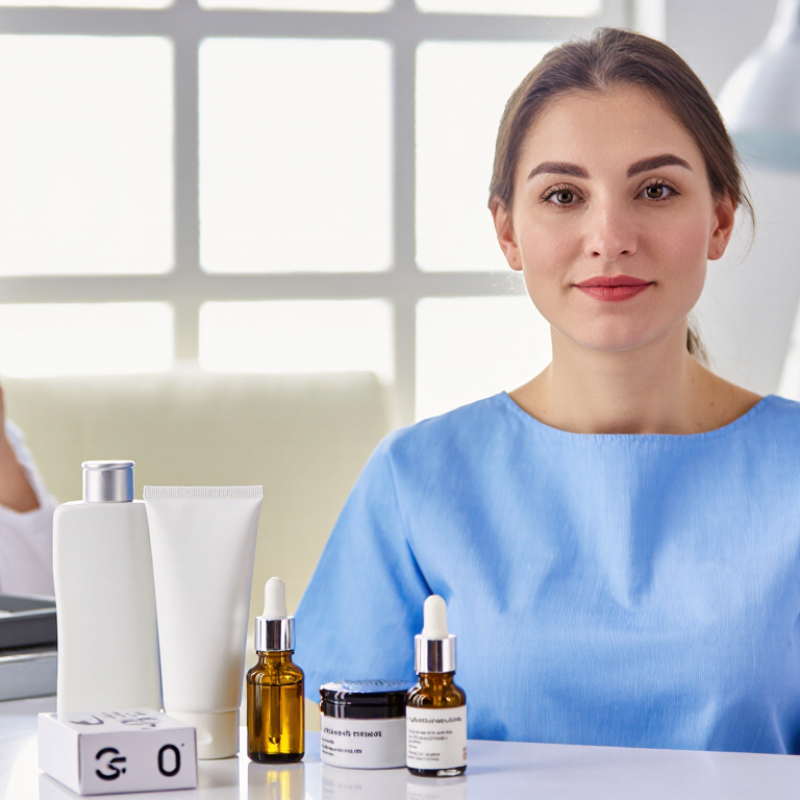
Top Ways to Combine Anti Aging Treatments Safely?

Identify Your Anti-Aging Goals and the Treatments You Use

Before combining anti-aging treatments, identify the change you actually want. Are you concerned about fine lines, uneven tone, dryness, or loss of firmness? Be specific. A close look in natural light can help you describe what bothers you, but it cannot diagnose the cause. Write down every product and procedure you use, including how often you use it. Include prescription creams, exfoliants, supplements, and recent in-office treatments. Small details matter, like a retinoid used twice weekly or a peel done last month. Your skin history matters too: sensitivity, allergies, pregnancy, and past reactions can affect which options are appropriate. A simple list works.

Then match each treatment to a goal and check for overlap. Several products may target the same concern, while combining irritating ingredients or procedures can leave skin red, tight, or peeling. More is not always better. Change one thing at a time, and give your skin time to show how it responds. Keep notes on dates, symptoms, and sun exposure; a phone photo in consistent lighting can reveal gradual changes. It is tempting to judge progress after a few days. That can be misleading. Ask a qualified dermatologist or other licensed clinician to review the full list, especially before pairing prescription products with professional procedures. Bring the containers or ingredient lists, not just product names. A tidy plan can still need adjustment when real skin reacts differently than expected.

Review Your Health History and Possible Treatment Risks

Before combining anti-aging treatments, review your health history with a qualified clinician. A procedure that seems minor can carry different risks for someone with sensitive skin, slow healing, or a history of unusual scarring. Tell the clinician about allergies, chronic conditions, past procedures, and every medicine or supplement you use. Bring a current list; relying on memory is easy to get wrong. Mention recent infections or skin irritation, too. Old reactions deserve attention. A checklist helps.

Ask each provider to explain how the proposed treatments may interact and which risks apply to you. Some procedures can increase irritation or make healing harder when scheduled too close together. The safest interval depends on the treatment and your health, so avoid copying a schedule from someone else. That matters. Ask what warning signs need prompt medical attention, and whom to contact if they appear. It is tempting to focus on visible results, but a cautious plan may mean delaying one treatment. If a provider dismisses your medical history or promises risk-free results, seek another opinion. A careful pause can protect your skin.

Top Ways to Combine Anti Aging Treatments Safely? - Review Your Health History and Possible Treatment Risks

Treatment or Combination Health History to Review Possible Risks Safer Planning
Topical retinoid with daily sunscreen Skin sensitivity, eczema, rosacea, current medicines, and pregnancy or plans for pregnancy. Dryness, redness, peeling, and increased irritation; retinoids are generally avoided during pregnancy unless a clinician advises otherwise. Ask a clinician whether it is appropriate; start gradually, moisturize, and use broad-spectrum SPF 30 or higher. Do not apply to irritated or broken skin.
Retinoid skincare with a chemical peel Recent use of irritating skincare products, history of cold sores, skin conditions, and previous scarring or pigment changes. Combining irritating products or procedures too closely can cause excessive redness, burns, infection, or lasting changes in skin color. Have a qualified clinician choose the peel and set the schedule. Ask when to pause and restart active skincare; do not combine treatments on your own.
Laser or light treatment with topical skincare Skin tone, tendency to develop dark marks or raised scars, recent tanning, photosensitizing medicines, and history of cold sores. Burns, blistering, pigment changes, scarring, or a cold-sore flare can occur. Some devices carry higher pigment-change risks for darker skin tones. Choose a provider experienced with your skin type and the specific device. Discuss a test spot, sun avoidance, and whether antiviral treatment is appropriate.
Microneedling with other procedures Active acne or skin infection, impaired wound healing, bleeding problems, immune suppression, and a history of keloids or raised scars. Infection, irritation, bleeding, scarring, or pigment changes; unapproved products used during needling may add risk. Use a qualified professional and sterile, single-use equipment. Postpone treatment over active infection and ask how long to wait before another procedure.
Botulinum toxin treatment with fillers Neuromuscular disorders, allergies, medicines or supplements that affect bleeding, prior reactions, and pregnancy or breastfeeding. Bruising, swelling, or unwanted muscle weakness may occur. Fillers rarely cause blocked blood flow, tissue injury, or vision loss. Use a licensed, experienced medical professional. Review all medicines and the treatment plan; seek urgent care for severe pain, skin color changes, or vision symptoms.
Any two procedures close together Chronic conditions, immune status, allergies, prior complications, recent procedures, and all prescription and nonprescription products. Overlapping inflammation or downtime can make complications harder to identify and may increase irritation, infection, or healing problems. Share a complete health and treatment history with each provider. Ask which treatments should be separated and follow an individualized schedule rather than combining them on the same day.

Safety note: This table is for general education, not a personal treatment plan. A qualified healthcare professional should review your health history and explain the benefits, risks, alternatives, and timing before treatment.

Check Which Treatments Can Be Safely Combined

Combining anti-aging treatments is often about timing, not adding everything at once. Daily broad-spectrum sunscreen and a bland moisturizer can usually support many routines. A topical retinoid may also fit, but it can cause dryness or peeling, especially when first introduced. Start slowly, and avoid pairing it with strong exfoliating acids until your skin tolerates it. Timing matters.

Some in-office treatments can be coordinated, such as injectable treatments and certain light or laser procedures. But the safe sequence depends on the device, treatment area, skin tone, medical history, and recovery time. A qualified dermatologist or licensed medical professional should review the exact plan. Ask how many days to pause retinoids, acids, or other irritating products before and after a procedure. Redness is not always harmless.

Chemical peels, microneedling, and energy-based treatments can each stress the skin barrier. Doing them too close together may increase irritation, prolonged redness, or pigment changes. More is not always better. I’ve seen people focus on the treatment list and overlook the recovery calendar; that is an easy mistake. Share all medications and skincare products with your clinician, including nonprescription ones. People who are pregnant or trying to conceive should ask a clinician before using retinoids. When instructions conflict, pause the extra active product and get clarification.

Plan the Order and Timing of Each Treatment

Combining anti-aging treatments safely depends on the treatment, your skin, and its recovery. A dermatologist can help set the order after reviewing your medical history, medications, and past reactions. In many plans, procedures that cause temporary redness or peeling are scheduled separately from injectables. Some energy-based treatments may be done before filler, but the best sequence depends on the device and treatment area. There is no universal calendar.

Leave time for your skin to settle before adding another procedure. Redness, tenderness, or flaking can be useful signs to discuss at follow-up, not problems to cover up and ignore. Ask how long to wait before restarting retinoids or exfoliating acids; instructions vary. Avoid booking treatments close together just to meet an event date. I have to admit, recovery can be less predictable than a clinic schedule suggests. Tell your clinician if symptoms persist or worsen, and do not proceed until they advise you.

Tips: Keep a simple treatment log. Note dates, products, and skin changes. Request written aftercare instructions, and confirm which provider coordinates your plan. If advice conflicts, pause and clarify before adding another treatment.

Monitor Your Response and Adjust the Plan with a Professional

Combining anti-aging treatments safely requires more than choosing compatible procedures. A professional should review your medical history, medications, skin sensitivity, and previous reactions before setting a plan. Change one treatment at a time when practical. This makes it easier to identify what caused irritation or an unexpected result. Keep a simple record: treatment dates, product names, photographs, and symptoms such as redness, swelling, or tenderness. Small details matter.

The American Society of Plastic Surgeons’ 2023 Plastic Surgery Statistics Report recorded about 25.4 million minimally invasive cosmetic procedures in the United States. That volume does not prove that combinations are safe for everyone. It does show why individual follow-up matters. Ask your clinician when to expect improvement, which reactions need prompt attention, and when to pause further treatment. Review your progress in consistent lighting, not just under a bright bathroom mirror. Results can be uneven. That deserves an honest conversation, not another procedure by default.

Tips: Schedule check-ins before starting, and share your symptom log at each visit. If discomfort worsens, new swelling appears, or recovery differs from the clinician’s guidance, contact the treating professional before continuing. Don’t adjust the plan alone. A cautious pause can be useful.

Top Ways to Combine Anti-Aging Treatments Safely

Monitor your response and adjust the plan with a professional.

This illustrative eight-week schedule counts one skin-tolerance log per day, one photo per week, and professional reviews at baseline, week 4, and week 8. It is a tracking example, not a universal medical schedule. Introduce treatment changes with professional guidance, record irritation or other reactions, and contact your clinician if symptoms are severe or persistent.

FAQS

How should I choose which anti-aging concern to address?

Name the change you notice, such as fine lines, uneven tone, dryness, or reduced firmness. Natural light can help you describe it, but it cannot diagnose the cause. Be specific.

What information should I bring to a clinician?

Bring a list of products, medicines, supplements, and procedures. Include how often you use them and when you last had a treatment. Ingredient lists help. Memory is imperfect.

Can I combine several products that target the same concern?

Check whether treatments overlap or may irritate your skin. Combining irritating ingredients can cause redness, tightness, or peeling. More is not always better.

How can I tell whether a treatment plan is working?

Change one thing at a time and keep notes on dates, symptoms, and sun exposure. Photos in consistent lighting may show gradual changes. A few days can be misleading.

Why does my health history matter before a procedure?

Sensitivity, allergies, chronic conditions, slow healing, and past reactions can affect treatment choices. Tell your clinician about them, including recent irritation or infections. Small details matter.

Is there a standard schedule for combining procedures?

No universal calendar fits everyone. Timing depends on the treatment, area, skin response, and health history. Ask a qualified clinician about order and recovery time. Don’t copy someone else’s schedule.

When should I restart retinoids or exfoliating acids after a procedure?

Ask your clinician for specific instructions. The right timing varies. Redness, tenderness, or flaking may need discussion before you add products or procedures.

What should I do if advice conflicts or symptoms worsen?

Pause before adding another treatment and clarify the plan with your providers. Ask what warning signs need prompt attention and whom to contact. Recovery can be unpredictable.

Conclusion

Combining anti-aging treatments safely starts with clear goals and a practical understanding of the methods you already use. Decide whether you want to address concerns such as skin texture, tone, or visible lines, then review your health history, sensitivities, medications, and previous reactions. This information can help you and a qualified professional identify potential risks and avoid combinations that may irritate or overwhelm your skin.

When considering How to combined different anti aging treatments, check which options are compatible and plan their order and timing rather than starting several at once. Some treatments may need to be spaced apart or introduced gradually. Monitor your skin and overall response, noting any discomfort or unexpected changes, and adjust the plan with professional guidance. A thoughtful, personalized approach can help you pursue your goals while prioritizing safety and allowing time to assess how each treatment works.

Sophia

Sophia

Sophia is a dedicated marketing professional with an exceptional depth of knowledge about her company's products and services. With a keen understanding of market trends and customer needs, she crafts insightful blog posts that not only inform but also engage readers, enriching the company’s online......