Top Tattoo Removal Guide How Many Sessions Do You Need?

Time:2026-10-31 Author:Mason
0%

A tattoo may look like a small mark on the skin, but removing it is usually a gradual process. How many sessions are needed for tattoo removal depends on the ink, the tattoo, and how your skin responds. The American Academy of Dermatology (AAD) says most people need six to ten laser treatments, often spaced six to eight weeks apart. That range is a useful starting point, not a promise. Some tattoos fade sooner; others need more visits.

Color and depth matter. A dark, older tattoo on an arm may respond differently from bright ink layered deeply across the shoulder. Skin tone, tattoo size, ink composition, and the laser used can also affect results. The U.S. Food and Drug Administration advises that removal commonly takes multiple treatments and carries risks, including scarring and changes in skin color. Slow healing is part of the calculation. So is patience.

A qualified dermatologist or experienced medical professional should assess the tattoo before setting a plan. They can examine its colors and placement, explain likely intervals, and adjust treatment as your skin heals. Be cautious of anyone promising complete removal by a fixed date. That certainty is rarely realistic. This guide explains what influences session counts, what to expect between appointments, and which questions to ask during a consultation. Estimates help, but your own treatment plan should follow an in-person assessment and careful monitoring.
Top Tattoo Removal Guide How Many Sessions Do You Need?

How Tattoo Removal Treatments Work

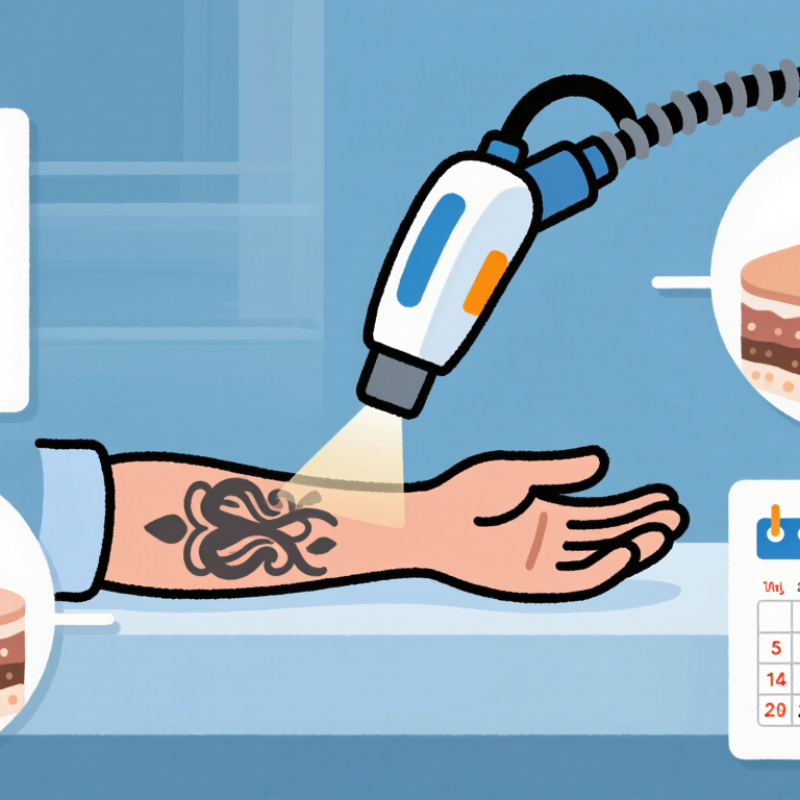
Tattoo removal usually relies on brief pulses of light energy directed at pigment in the skin. The pulses break some ink into smaller particles. The body’s immune system gradually carries those particles away. It takes time. A treated tattoo may look darker or swollen before it begins to fade.

Different ink colors absorb light differently, so a clinician may use different wavelengths for different pigments. During treatment, protective eyewear is essential, and the skin may feel like quick snaps from a small elastic band. Cooling can ease discomfort. Sessions are generally spaced several weeks apart, allowing the skin to heal and the body to clear pigment between visits. Healing varies.

There is no reliable session count that fits everyone. Ink depth, color, tattoo size, location, and age all affect the response; some colors are especially stubborn. A qualified medical professional should assess the tattoo and discuss risks, including temporary redness, blistering, or changes in skin color. I used to think fading meant the ink had simply vanished under the light. That explanation misses the body’s slower role—and it can make expectations unrealistic.

Factors That Determine the Number of Sessions

The number of laser sessions is not fixed. Many tattoos need six to twelve treatments, but some fade sooner and others need more. That range is only a rough guide. An in-person assessment matters.

Ink color and depth can change the timeline. Black ink often responds more readily than pale green or yellow pigments, which may be harder to fade. Dense, layered tattoos usually take longer than lighter ones. Older tattoos may have already faded, though age alone cannot predict the result. Placement matters, too: tattoos on hands or feet may clear more slowly than those on areas with stronger circulation. Small details count.

Skin tone, healing, and the laser settings also affect treatment plans. For darker skin, a trained clinician may choose cautious settings to reduce the risk of pigment changes. Sessions are usually spaced several weeks apart so the skin can recover and the body can clear fragmented ink. Rushing appointments is not a shortcut. A practitioner should review your medical history, tattoo features, and skin response, then adjust the plan over time. Photographs in consistent lighting can help track fading, though they are not perfect evidence. Some colors may remain faintly visible, and complete removal cannot be promised.

Typical Session Ranges for Different Tattoos

Session counts are estimates, not promises. Many tattoos need about 6–12 laser sessions, often spaced 6–8 weeks apart or longer. Small amateur tattoos may fade in 3–6 sessions because they often contain less ink. Dense, professionally applied tattoos may need 8–12 or more. Black ink usually responds more predictably than bright green, blue, or yellow pigments. A clinician’s assessment matters more than a chart.

Size is only part of the picture. Ink depth, age, location, skin tone, and healing response can all affect progress. A dark cover-up on the shoulder may take longer than a light wrist tattoo, even if both are similar in size. Fading happens gradually; complete removal is not always possible, and a faint outline may remain. I used to think session estimates were simple. They are not. A qualified laser professional can review the tattoo and adjust the plan as it heals.

Tips: Take a clear photo before treatment and compare it after several sessions, not day to day. Follow aftercare instructions, protect the area from sun, and allow the skin to heal fully. Ask about likely ranges, risks, and what happens if fading stalls.

How Sessions Are Spaced and Progress Over Time

Tattoo removal unfolds between appointments, not just during them. The U.S. Food and Drug Administration advises waiting at least six weeks between laser treatments, giving skin time to heal and the body time to clear fragmented pigment. Fading can continue during that pause. A tattoo may look darker or slightly irritated at first, then soften over the following weeks. Don’t judge progress the next morning.

There is no dependable session count for every tattoo. In a 2009 paper in the Journal of Clinical and Aesthetic Dermatology, Kirby and colleagues proposed a scale based on six factors, including ink color, tattoo location, skin type, and ink depth. Those details help clinicians estimate treatment needs, but estimates can change as the tattoo responds. Black pigment often fades more readily than some lighter colors; dense, layered ink may take longer. Even a careful estimate is imperfect. Your clinician should assess healing before another session, especially if redness, blistering, or tenderness persists. A photo taken in the same lighting after each appointment can make gradual changes easier to see.

Top Tattoo Removal Guide: How Many Sessions Do You Need?

Laser tattoo removal commonly takes multiple sessions—often 6–12 or more. The chart shows an illustrative schedule with treatments spaced 6–8 weeks apart; it does not predict fading or guarantee a number of sessions.

Healing time and results vary with factors such as ink, tattoo location, skin type, and treatment response. A qualified clinician can recommend an interval and plan for you.

How Skin Recovery Affects the Treatment Schedule

How Skin Recovery Affects the Treatment Schedule

Laser tattoo removal works in stages. The laser breaks ink into smaller particles, and the body gradually clears them. Your skin also needs time to recover between treatments. The American Academy of Dermatology advises that treatments are commonly spaced six to eight weeks apart, and many tattoos need six or more sessions. Healing takes time. Redness, swelling, tenderness, or small blisters can occur after a session; the treated area should settle before another pass. Treating too soon may irritate skin without giving the body extra time to clear ink.

A calendar estimate is only a starting point. The Kirby-Desai scale, published in the Archives of Dermatology, considers factors such as ink color, skin type, tattoo location, and ink layering when estimating treatment needs. A dense, multicolored design on an ankle may respond differently from a small, dark tattoo on the upper arm. Watch for persistent redness, worsening pain, or signs of infection, and contact a qualified clinician rather than shortening the interval yourself. One practical detail is easy to overlook: friction from tight clothing can bother healing skin. Even careful schedules sometimes need adjustment. Recovery is not perfectly predictable.

FAQS

How many laser sessions might tattoo removal take?

Many tattoos need about 6–12 sessions. Small amateur tattoos may fade in 3–6, while dense professional tattoos may need 8–12 or more. These are estimates, not promises.

How long should I wait between sessions?

Treatments are commonly spaced 6–8 weeks apart or longer. Skin needs time to heal, and fading continues between appointments. Don’t rush it.

Which tattoo colors may take longer to fade?

Black ink often responds more predictably. Bright green, blue, and yellow pigments can be less predictable, so the plan may change.

Does tattoo size determine the number of sessions?

Not by itself. Ink depth, age, location, skin tone, and layering also matter. A dark shoulder cover-up may take longer than a light wrist tattoo of similar size.

What should I expect after a treatment?

Redness, swelling, tenderness, or small blisters can occur. The area should settle before another session. Healing varies.

How can I track gradual fading?

Take a clear photo before treatment, then compare photos in the same lighting after several sessions. Day-to-day changes can be hard to judge.

Can every tattoo be completely removed?

No. Complete removal is not always possible, and a faint outline may remain. I once expected a neat timetable; that was too optimistic.

What should I do if my skin stays irritated?

Contact a qualified clinician about persistent redness, worsening pain, or signs of infection. Follow aftercare advice, protect the area from sun, and avoid tight clothing that rubs.

Conclusion

Tattoo removal works by breaking ink into smaller particles that the body gradually clears away. How many sessions are needed for tattoo removal depends on several factors, including the tattoo’s size, age, ink colors, depth, and location, as well as the person’s skin and healing response. Small, older tattoos may need fewer treatments, while larger, dense, multicolored designs often require more. A full removal plan cannot be predicted precisely from appearance alone, so an assessment by a qualified professional can help set realistic expectations.

Treatments are usually spaced several weeks apart to give the skin time to recover and the body time to clear ink particles. Fading happens gradually, and progress may be uneven between sessions. Skin recovery is an important part of the schedule: redness, sensitivity, or other temporary reactions may mean waiting longer before the next treatment. Following aftercare guidance and allowing adequate healing can support safer progress, though complete removal is not always possible.

Mason

Mason

Mason is a seasoned marketing professional with a deep expertise in the company's offerings and a passion for driving brand awareness. With a strong background in digital marketing strategies, he has an innate ability to connect with diverse audiences and effectively communicate product benefits.......