Why is My Tattoo Removal Blistering and How to Fix It?

Time:2026-06-09 Author:Aria
0%

Removing a tattoo can be a complicated process that sometimes leads to unexpected issues. One common concern many people face is the question, "Why is my tattoo removal blistering?" This reaction can occur due to various reasons, including skin sensitivity and the techniques used during the removal process. Understanding these factors is crucial for anyone considering tattoo removal.

Blistering can indicate that the skin is reacting strongly to the treatment. It may stem from improper aftercare or a reaction to the ink. Addressing this issue promptly is important for healing and minimizing discomfort. Some individuals might feel anxious or worried about the appearance of blisters. These feelings are valid, especially when the goal is clearer skin.

Learning how to manage blistering is essential. Seeking advice from qualified professionals can provide insight into the healing process. There may be adjustments needed in your aftercare routine. Regular consultations with the technician can help identify issues early on and guide effective recovery strategies. It’s important to remember that everyone's skin reacts differently, and being patient during this process is key.
Why is My Tattoo Removal Blistering and How to Fix It?

Understanding Tattoo Removal: The Basics of the Process

Tattoo removal can be a challenging journey. Understanding the basics of the process is essential for anyone considering it. The most common method is laser removal. This technique targets ink with concentrated light beams. The energy breaks down pigment particles, allowing the body to absorb them. The procedure usually requires multiple sessions for effective results.

Proper aftercare is crucial to minimize blistering. Blisters can form as a natural response to the body healing itself. However, excessive blistering can indicate a problem. Keep the treated area clean and avoid tight clothing. Applying a soothing ointment may help. Many people overlook the importance of hydration and nutrition during recovery. These factors can significantly influence healing.

Many clients report unexpected reactions during the healing process. Skin can become irritated or overly sensitive. It’s essential to consult a professional if issues arise. Relying on anecdotal advice can lead to confusion. Every individual’s skin responds differently. Understanding these variations can help inform your decisions. Being proactive about your aftercare will yield the best outcomes.

Common Causes of Blistering After Tattoo Removal Treatments

Blistering after tattoo removal can be concerning. Understanding the common causes can help you manage and treat it effectively. One key cause is your skin's reaction to the laser or other removal methods. If your skin is sensitive or you have pre-existing conditions, it may react more strongly. This may lead to blistering as your body tries to heal itself.

Inadequate aftercare is another important factor. Skipping recommended steps can lead to infections. Applying too much pressure on the treated area or exposing it to sunlight can worsen blisters. Keep the area clean and dry. Use sterile dressings when necessary.

Lastly, the depth of the tattoo and the skill of the technician can impact the results. A more complex tattoo may result in greater skin trauma. Sometimes, choosing the wrong treatment can lead to excessive blistering. It’s essential to consult a qualified professional who can assess your unique situation. Understanding these factors can guide you in preventing blistering and promoting healing after tattoo removal.

Recognizing the Signs of a Blistering Reaction

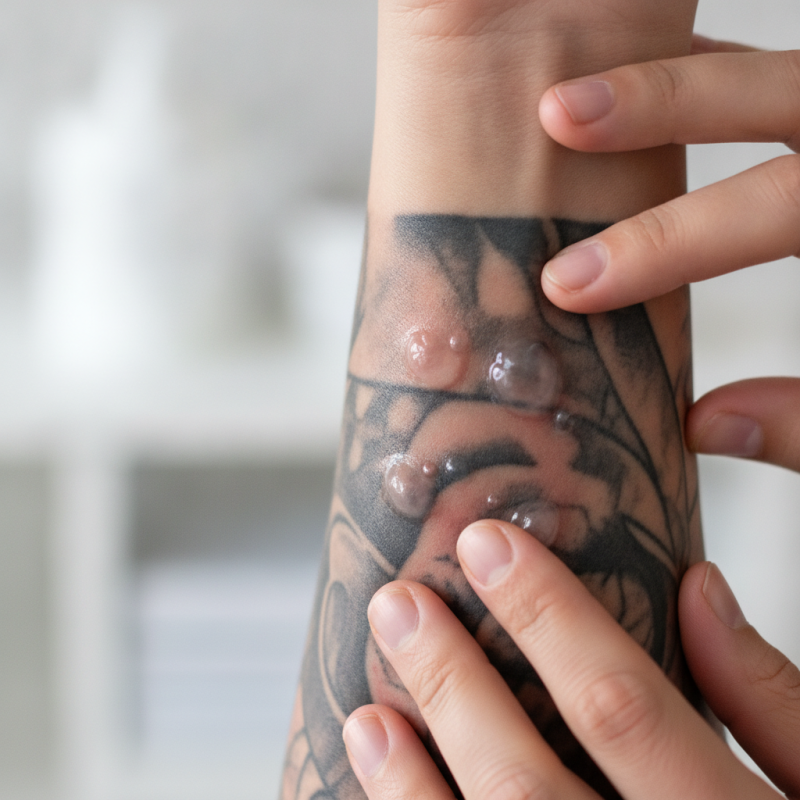
Blistering from tattoo removal can signal a negative reaction. It’s crucial to recognize these signs early. Redness and swelling may accompany the blisters, indicating irritation. You might feel discomfort or see fluid-filled blisters forming. This reaction often results from improper aftercare or sensitivity to the removal technique used.

Keeping the area clean and dry is vital. Avoid scratching or popping blisters, as this can lead to infection. Instead, follow the aftercare advice closely. Consider using a gentle, unscented moisturizer to soothe the skin. If blisters persist, reach out to a professional for guidance. They can assess if the reaction is normal or requires further treatment.

Not everyone responds the same way to tattoo removal. That variability can lead to frustration. It is essential to listen to your body and note any changes. Recording your experience can help professionals understand your specific case better. Remember, healing takes time, and sometimes the process is not perfect.

Steps to Take If You Experience Blistering

Blistering after tattoo removal can be concerning. It often indicates skin irritation. If you notice blisters, take immediate action to protect your skin.

First, keep the area clean. Gently wash it with mild soap and water. Avoid scrubbing or using harsh cleansers. Pat the area dry with a clean towel. Moisture can worsen blistering, so keep it dry to promote healing.

Apply a sterile bandage to protect blisters from infection. This simple step can prevent further irritation. Additionally, avoid exposing the area to direct sunlight. Sunburn can complicate healing and increase discomfort.

Here are some tips to aid recovery:
- Use an antibacterial ointment if advised by a professional.
- Stay hydrated to support skin healing.
- Avoid tight clothing that may rub against the affected area.

Reflect on your aftercare. Every tattoo removal experience is unique. Monitor your skin's response and consult a dermatologist if blisters persist. Your skin deserves proper care during this healing process.

When to Consult a Professional After Tattoo Removal Blistering

Blistering after tattoo removal can be concerning. It often indicates that your skin is reacting to the treatment. Sometimes, the process can cause irritation or an adverse response. Not all reactions are serious, but it’s essential to monitor them closely.

Consult a professional if blisters appear. This is especially important if the blisters are large or painful. A medical expert can assess potential infections or complications. Ignoring symptoms can lead to longer healing times and unwanted scars. The right treatment depends on the severity of the blistering.

Managing blisters at home can be tricky. Applying ointments without guidance may not always help. Sometimes, keeping the area clean and protected is sufficient. Yet, if the blisters worsen, visiting a dermatologist is a wise move. They have the skills to treat your skin properly. It's better to be safe than to let things escalate.

FAQS

: What should I do if I notice blisters after tattoo removal?

: Keep the area clean by washing it gently with mild soap and water. Pat dry with a clean towel.

How can I protect blisters from infection?

Apply a sterile bandage to the area to prevent irritation and potential infection.

Is it important to avoid sun exposure after tattoo removal?

Yes, direct sunlight can complicate healing and increase discomfort, so it's best to avoid it.

Should I use ointments on the blisters?

Use an antibacterial ointment only if advised by a professional, as not all ointments may help.

When should I consult a dermatologist after tattoo removal?

Consult a professional if blisters are large, painful, or if they worsen over time.

Why is monitoring my skin's response important?

Every tattoo removal experience is unique. Observing your skin helps ensure proper healing and care.

Can tight clothing affect blisters?

Yes, tight clothing may rub against the area, causing more irritation. It's better to wear loose clothing.

What happens if I ignore blistering symptoms?

Ignoring symptoms can lead to longer healing times and unwanted scars, so it's crucial to pay attention.

How can I support my skin healing?

Staying hydrated is key. It helps your skin recover more effectively during the healing process.

Is there a risk of complicated healing?

Yes, complications can arise from irritation. It's safer to consult a professional if you have concerns.

Conclusion

In the process of tattoo removal, individuals may often wonder, "Why is my tattoo removal blistering?" Understanding the fundamentals of the tattoo removal procedure is essential for addressing this concern. Blistering can occur due to several common factors, including improper aftercare, skin sensitivity, or the use of inappropriate techniques. Recognizing the signs of a blistering reaction early can help in managing the situation effectively.

If you experience blistering after a tattoo removal treatment, it's crucial to follow specific steps to minimize discomfort and promote healing. These may include keeping the area clean, avoiding excessive moisture, and applying suitable topical treatments. However, if the blistering persists or worsens, consulting a professional is advised to ensure proper care and to prevent further complications.

Aria

Aria

Aria is a dedicated marketing professional with a deep passion for innovative strategies and a keen understanding of our company's product offerings. With a wealth of experience in the industry, Aria excels at crafting engaging content that highlights the unique features and benefits of our......