When Should You Start Anti Aging Treatments for Best Results?

Time:2026-09-02 Author:Sophia
0%

Aging is a natural part of life, yet many seek ways to maintain youthful skin. The question looms large: What age should you start anti aging treatments? Many people feel pressured to start early. However, the right age varies based on individual skin type and lifestyle choices.

Research suggests that signs of aging may appear in the late twenties or early thirties. This can be a crucial time to assess your skin’s needs. You might notice fine lines or changes in elasticity. These can be subtle but should not be ignored. It’s essential to balance proactive measures with realistic expectations.

Consulting with a dermatologist can provide tailored advice. Professional insights can guide you through safe and effective treatments. While some may benefit from early intervention, others might find better results in their forties or beyond. Reflecting on personal skincare goals is vital. Understand that there is no one-size-fits-all answer. Each journey in skincare is unique, and patience is a key virtue.
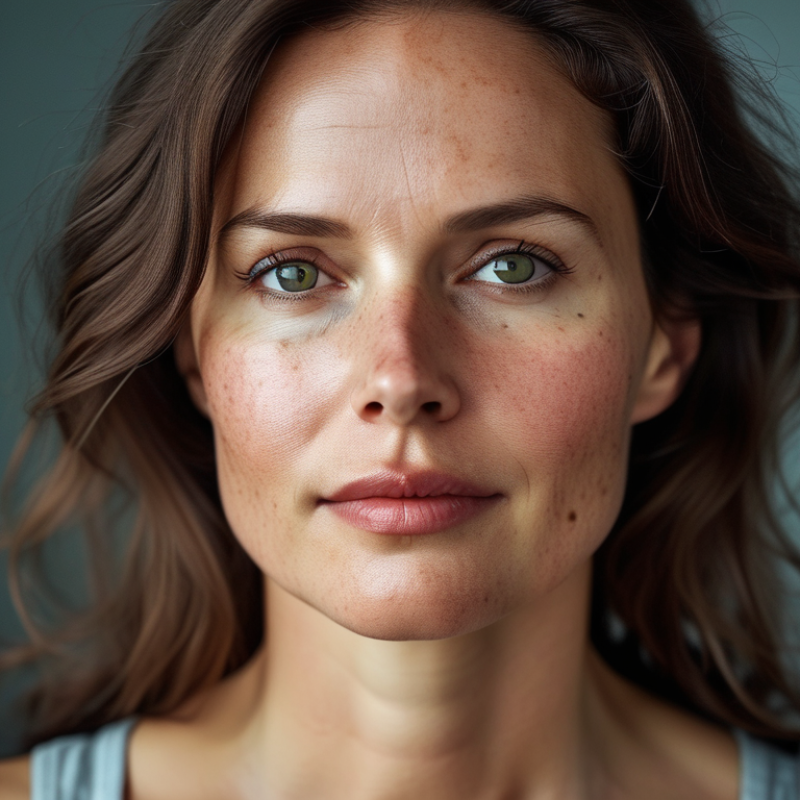
When Should You Start Anti Aging Treatments for Best Results?

Understanding the Aging Process and Its Visible Effects on Skin

Aging is a natural process that affects everyone differently. As we age, our skin undergoes several visible changes. Collagen production declines, leading to wrinkles and sagging skin. According to the American Academy of Dermatology, sun exposure greatly accelerates this process, contributing to an estimated 80% of skin aging. Understanding these effects can help you make informed decisions about anti-aging treatments.

To delay visible signs of aging, consider starting preventative measures in your late 20s or early 30s. Incorporating antioxidants into your skincare routine can reduce free radicals that damage skin cells. Regular use of sunscreen is crucial; studies suggest it may prevent up to 90% of skin aging.

Incorporating hydration into your regimen is equally important. Drinking adequate water and using moisturizing products can improve skin texture. Maintaining a healthy diet rich in vitamins C and E can also enhance skin elasticity. Some people struggle with consistent routines. Reflecting on your habits is key. Embrace simplicity; a few effective products are often better than an extensive regimen. Remember, the goal is gradual improvement, not perfection.

Key Factors Influencing the Ideal Age to Begin Anti-Aging Treatments

The ideal age to start anti-aging treatments can vary significantly. According to the American Academy of Dermatology, visible signs of aging, such as fine lines and wrinkles, can begin as early as the late 20s. A survey revealed that nearly 50% of adults aged 25 to 34 are already considering preventative treatments. Genetics, lifestyle, and environmental factors play crucial roles in determining when to start.

For many, early intervention is key. Research from the Journal of Cosmetic Dermatology indicates that beginning treatments in your 30s can yield better long-term results. Daily UV protection and targeted skincare can significantly reduce skin damage over time. However, it's essential to address unique skin concerns, which calls for personalized consultations.

Thinking about the long-term effects of aging is not straightforward. Some might rush into treatments without proper guidance, leading to dissatisfaction. Recognizing when to embrace anti-aging strategies requires reflection on one's skin and lifestyle. It's a balance between taking proactive steps and allowing your skin's natural aging process to unfold.

When Should You Start Anti Aging Treatments for Best Results?

Age Range Recommended Treatments Key Factors Expected Results
20-30 years Sunscreen, Antioxidants Sun exposure, Genetics Prevention of early signs
30-40 years Retinoids, Hyaluronic Acid Lifestyle factors, Stress Reduction of fine lines
40-50 years Peels, Microneedling Hormonal changes, Skin texture Improved skin elasticity
50+ years Botox, Fillers, Laser Treatments Deep wrinkles, Age spots Dramatic rejuvenation

Common Anti-Aging Treatments and Their Recommended Starting Ages

When it comes to anti-aging treatments, timing is critical. Many professionals suggest starting a basic skincare regimen in your late 20s to early 30s. This is when early signs of aging can begin to appear, such as fine lines and uneven skin tone. Studies show that the skin's collagen production starts to decline around age 25. By incorporating preventive measures early, you can maintain skin elasticity and hydration.

For treatments like retinoids, the ideal starting age is often recommended to be around 30. Research indicates that retinoids can significantly improve skin texture and reduce wrinkles. However, it’s essential to introduce them gradually, as they can cause irritation initially. Additionally, hyaluronic acid serums are effective for individuals in their late 20s, keeping the skin plump and hydrated. Data suggests that using such products can lead to a noticeable improvement when started early.

Sunscreen is crucial at any age. Dermatologists recommend daily use starting in your teens. Chronic sun exposure can accelerate skin aging substantially. According to a study published in the Journal of Dermatology, consistent sunscreen use can reduce the signs of aging by up to 24%. However, not everyone adheres to this advice. Many may neglect sunscreen due to misconceptions or lack of awareness. Thus, it's vital to reflect on personal habits and make adjustments for healthier skin.

Individual Skin Types and Their Impact on Anti-Aging Treatment Timing

When considering anti-aging treatments, understanding your skin type is crucial. Dry skin might show signs of aging earlier. Fine lines and rough patches can appear around the age of 25. Oily skin, on the other hand, often develops its aging signs later. Individuals with oily skin might enjoy a youthful glow longer. Yet, this does not mean they are immune to aging. They may require treatments focusing on oil control and hydration.

Skin sensitivity adds another layer to this discourse. Sensitive skin often reacts poorly to harsh treatments. Starting anti-aging products too early can lead to irritation and exacerbate issues. It is important to recognize how your skin responds to different ingredients before initiating any regimen. Consulting with skincare professionals can provide clarity. They can suggest when to begin treatments based on individual skin needs.

Ultimately, timing is everything. Consider your skin type, and evaluate its conditions regularly. It's not just about age; it's about understanding your unique skin. Learning from your skin’s responses can help refine your approach to anti-aging.

Consultation with Dermatologists: When and Why It’s Essential

Consulting with a dermatologist is critical when considering anti-aging treatments. Experts emphasize that personalized assessments lead to better outcomes. A 2022 survey from the American Academy of Dermatology found that 70% of patients reported improved skin texture after following tailored regimens suggested by professionals.

The right timing for starting treatments can vary significantly. Many dermatologists recommend beginning preventative care in your mid-20s. This is a pivotal age for maintaining skin health. Dermatologists can identify early signs of aging and provide advice on the most effective products. However, many individuals neglect to seek professional advice until visible signs appear. This delay can hinder effectiveness.

Skin type and history are crucial factors in deciding a treatment plan. Professional evaluations can address unique concerns, such as sun damage or genetic predispositions. For instance, a study from the Journal of Cosmetic Dermatology indicated that those who consult dermatologists early see a 40% increase in satisfaction with their skin. Working with experts ensures a comprehensive approach, promoting both immediate results and long-term skin health.

When Should You Start Anti Aging Treatments for Best Results?

This bar chart illustrates the number of recommended anti-aging treatments by different age groups. As individuals age, the number of treatments suggested tends to increase, reflecting the growing concern and need for effective aging solutions.

FAQS

: When should I start anti-aging treatments?

: Many experts suggest starting in your mid-20s for best results.

Why is skin type important for anti-aging?

Different skin types age at different rates. Dry skin shows signs earlier than oily skin.

What if I have sensitive skin?

Sensitive skin may react negatively to harsh treatments. Start slow and observe reactions.

Do I need to consult a professional for treatments?

Yes, professional consultations can significantly improve treatment outcomes.

What if I wait too long to seek help?

Delaying professional advice may reduce treatment effectiveness and worsen skin issues.

Can anti-aging products irritate my skin?

Yes, starting too early or using the wrong products can cause irritation.

How does my skin respond to treatments?

Monitoring your skin’s reactions can guide your approach to anti-aging.

What are common concerns addressed by dermatologists?

Dermatologists evaluate factors like sun damage, genetics, and individual skin conditions.

Is it beneficial to follow a personalized regimen?

Tailored treatment plans often lead to better skin satisfaction and results.

What should I learn from my skin’s responses?

Learning from your skin can refine treatment timing and product choice.

Conclusion

The article "When Should You Start Anti Aging Treatments for Best Results?" delves into the aging process and its visible impacts on skin, emphasizing that the ideal age to start anti-aging treatments can vary based on several key factors. Understanding your skin type, along with environmental and lifestyle influences, plays a crucial role in determining the appropriate timing for initiating these treatments.

Readers often wonder, "What age should you start anti aging treatments?" Common recommendations suggest that individuals may begin preventive measures in their late 20s or early 30s, depending on skin conditions and personal concerns. Consultation with dermatologists is highlighted as essential not only for tailoring the timing of treatments but also for optimizing their effectiveness, ensuring a personalized approach to maintaining youthful skin.

Sophia

Sophia

Sophia is a dedicated marketing professional with an exceptional depth of knowledge about her company's products and services. With a keen understanding of market trends and customer needs, she crafts insightful blog posts that not only inform but also engage readers, enriching the company’s online......