How to Use EMS Muscle Stimulation Safely for Weight Loss?

Time:2026-09-07 Author:Mason
0%

Is ems muscle stimulation safe for weight loss? The honest answer depends on the device, the user, and the supervision provided. Electrical muscle stimulation can create visible contractions, but it does not magically remove body fat. The World Health Organization reported that 2.5 billion adults were overweight in 2022, including more than 890 million people living with obesity. That scale demands practical, evidence-based solutions rather than dramatic promises.

Dr. Edward R. Laskowski, former co-director of Mayo Clinic Sports Medicine, explains: “Electrical muscle stimulation can strengthen, tone, and firm muscles, but it is not a substitute for regular exercise.” This distinction matters. A 20-minute session may make the abdomen or thighs feel tight, yet meaningful weight loss still requires sustained calorie control, movement, sleep, and medical awareness. The U.S. Food and Drug Administration has also reported risks linked to some electronic muscle stimulators, including skin irritation, burns, pain, and interference with implanted devices.

Use caution.

Safe practice begins with a cleared, regulated device and professional instruction. Place electrodes on clean, intact skin, then increase intensity gradually. Stop immediately if you feel sharp pain, dizziness, unusual heart sensations, or persistent burning. People with pacemakers, implanted electronic equipment, certain neurological conditions, or pregnancy should seek medical advice before use. These limits are easy to overlook. I would not treat EMS as a standalone weight-loss method, especially when marketing claims sound stronger than the available evidence. This guide examines realistic benefits, safety checks, and the mistakes that can turn a convenient workout into an avoidable injury.
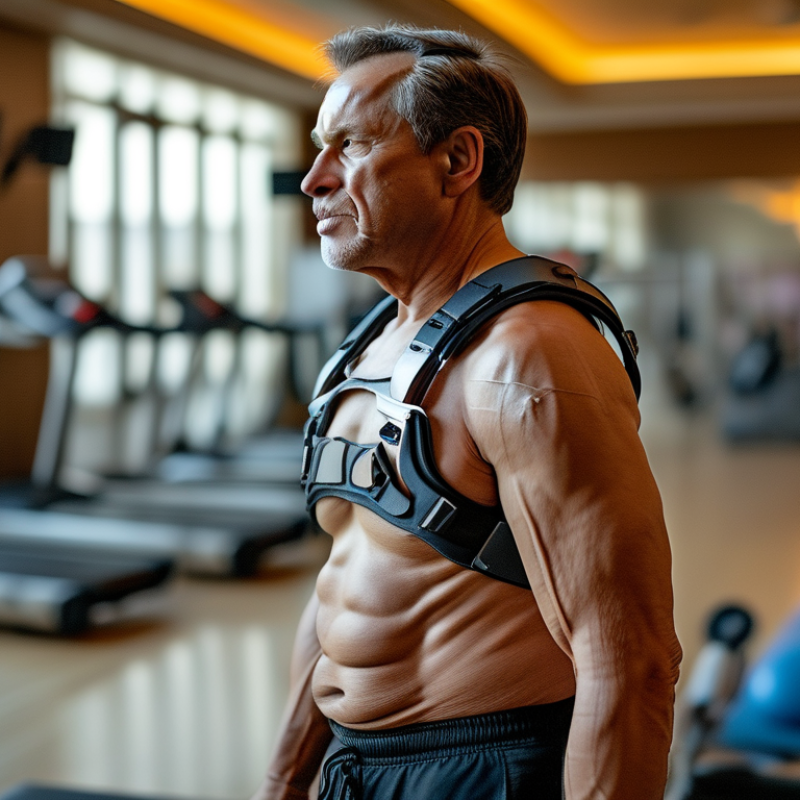
How to Use EMS Muscle Stimulation Safely for Weight Loss?

Understanding EMS Muscle Stimulation and Its Role in Weight Loss

How to Use EMS Muscle Stimulation Safely for Weight Loss?

EMS muscle stimulation sends mild electrical impulses through adhesive electrodes, causing repeated muscle contractions. It can support muscle activation when paired with supervised resistance training. It does not directly melt body fat. The U.S. Food and Drug Administration states that EMS devices are cleared for muscle conditioning, strengthening, and toning, not standalone weight loss. The evidence remains uneven.

The World Health Organization recommends 150–300 minutes of moderate aerobic activity weekly, plus muscle-strengthening exercises on two or more days. EMS may complement this routine, but it cannot replace brisk walking, cycling, or strength training. A 2023 systematic review in Sports Medicine reported potential gains in strength and lean mass, yet results varied across protocols and participants. Real-world outcomes may be smaller.

Safety needs practical attention. Use trained supervision, follow the device’s intensity limits, and inspect the skin after each session. Stop if you feel sharp pain, dizziness, burns, or unusual heart symptoms. People with implanted electrical devices, neurological conditions, pregnancy, or unexplained medical symptoms should seek clinical advice before use. Avoid placing electrodes over broken skin or the front of the neck. Short sessions are sensible. More intensity is not automatically better. Diet quality, sleep, and consistent movement still influence fat loss more reliably. The uncomfortable truth is that EMS can feel productive while producing limited calorie expenditure. Consider it an accessory, not the engine.

How to Use EMS Muscle Stimulation Safely for Weight Loss? - Understanding EMS Muscle Stimulation and Its Role in Weight Loss

Safety and Weight-Loss Dimension Evidence-Based Guidance Practical Target or Range Important Limitation
Primary role of EMS EMS can activate selected muscles and may support muscle-strengthening work when used with voluntary exercise. Use it as a supplement to regular resistance training, walking, cycling, or other aerobic activity. EMS should not be treated as a stand-alone weight-loss method. Sustainable weight loss primarily requires a long-term calorie deficit.
Expected effect on body weight Research does not establish a consistent, clinically meaningful weight-loss effect from EMS alone. Track waist circumference, body weight, strength, and activity levels over at least 8–12 weeks. Changes in body water, muscle mass, diet, and daily activity can affect short-term scale readings.
Session duration Begin with short, low-intensity sessions to evaluate skin, muscle, and overall tolerance. Start at approximately 10–15 minutes, then increase gradually only according to the device instructions or qualified supervision. Longer sessions are not automatically more effective and may increase soreness, skin irritation, or muscle injury risk.
Weekly frequency Recovery time is important because EMS can produce muscle fatigue and delayed soreness. For beginners, allow at least 48 hours between demanding sessions involving the same muscle groups. Do not increase frequency and intensity at the same time. Follow the product’s maximum-use instructions.
Intensity progression Stimulation should feel strong but remain controlled and tolerable, without sharp pain or involuntary loss of movement control. Increase intensity in small steps only after several comfortable sessions at the current level. More intensity does not equal more fat loss. Stop if there is pain, burning, dizziness, weakness, or abnormal heartbeat.
Combining EMS with physical activity Adults generally benefit from at least 150 minutes of moderate-intensity aerobic activity weekly, plus muscle-strengthening activity on 2 or more days. Pair EMS with progressive exercise, such as brisk walking and resistance training, rather than replacing these activities. People with chronic conditions should obtain individualized exercise advice from a healthcare professional.
Hydration and recovery Adequate fluids, sleep, and nutrition support normal recovery but do not directly cause fat loss. Drink according to thirst and activity conditions; prioritize regular meals containing adequate protein and fiber. Avoid using EMS during dehydration, acute illness, or immediately after unusually strenuous exercise.
Skin and electrode safety Electrodes should contact intact skin and be placed only as directed by the device instructions. Inspect the skin before and after every session; keep contact surfaces clean and avoid broken or irritated skin. Stop use if redness persists, blistering develops, or there is significant irritation or an allergic reaction.
Conditions requiring medical advice Medical guidance is appropriate for people with implanted electronic devices, heart rhythm problems, epilepsy, pregnancy, or significant chronic disease. Ask a doctor or qualified healthcare professional before using EMS when any relevant medical condition or medication is present. Do not place electrodes over the front or side of the neck, head, chest, or directly across the heart unless specifically directed by a qualified professional.
Measuring progress Weight trends are more useful than single daily measurements. Measure body weight under similar conditions 1–3 times per week and review the average trend monthly. EMS-related muscle soreness or temporary fluid shifts may make short-term results difficult to interpret.
When to stop immediately Adverse symptoms are a reason to discontinue stimulation and seek appropriate medical advice. Stop for chest pain, fainting, severe or persistent muscle pain, unusual swelling, shortness of breath, or palpitations. Do not restart until the cause has been assessed, particularly after severe symptoms.

Evidence note: EMS may assist muscle activation and strength development in selected settings, but current evidence does not support relying on EMS alone for meaningful fat loss. Safe use depends on the specific device instructions, gradual progression, regular physical activity, and appropriate medical screening.

Checking Health Conditions Before Using EMS Equipment

Before using EMS for weight loss, check your health status with a qualified healthcare professional. This step matters more than choosing a stronger setting. EMS may be unsuitable for people with pacemakers, implanted electronic devices, epilepsy, heart problems, or pregnancy. Avoid treatment over broken skin, infections, reduced-sensation areas, or recent surgical sites. Some medicines and medical conditions may also change your risk. Ask clearly, even if the equipment seems simple.

EMS can support muscle activation, but it cannot replace balanced nutrition, walking, or resistance training. Start only when a trained professional explains electrode placement and intensity. The sensation should feel strong but controlled, never sharp or burning. Stop immediately if you notice chest discomfort, dizziness, breathing difficulty, unusual pain, or lasting numbness. Excessive sessions can cause severe muscle damage, although this is uncommon. More stimulation is not automatically better. That assumption deserves questioning.

Tips: Keep the first session short and gentle. Read the instructions before attaching electrodes. Do not place pads on the front of your neck, head, or directly across the chest. Inspect your skin afterward for redness or irritation. Rest between sessions, drink enough water, and record unusual symptoms. If you feel pressured to continue, stop and seek medical advice.

Choosing Safe EMS Devices and Preparing for Each Session

Choosing a safe EMS device starts with realistic claims. Avoid products promising effortless fat loss or spot reduction. The U.S. FDA has reported shocks, burns, bruising, skin irritation, pain, and interference with implanted devices from some EMS products. Select equipment with clear instructions, adjustable intensity, intact wires, and electrodes that sit securely on clean skin. Check its intended use and regulatory clearance in your country. Cheap is not always safer.

Before each session, inspect your skin for cuts, rashes, or swelling. Do not place electrodes on damaged skin, the front of the neck, or across the chest without professional guidance.

People with pacemakers, implanted defibrillators, seizure disorders, or pregnancy should ask a qualified clinician first. Begin with the lowest comfortable setting. A powerful contraction is not proof of effective fat loss. I still find that mistake easy to make.

Keep the session short and follow the device instructions, rather than copying online routines. Stop immediately if you feel sharp pain, dizziness, unusual heartbeats, or persistent burning.

The World Health Organization’s 2020 guidelines recommend 150–300 minutes of moderate aerobic activity weekly, plus muscle-strengthening work on two days.

EMS should support that routine, not replace it. The American College of Sports Medicine also emphasizes gradual progression and medical screening when risks exist.

Evidence remains less convincing for EMS-only weight loss, so tracking waist measurements, activity, and nutrition may reveal a less exciting truth. It works slowly, if at all.

Following Proper EMS Settings, Placement, and Training Steps

How to Use EMS Muscle Stimulation Safely for Weight Loss?

Electrical muscle stimulation can support a weight-loss routine, but it does not replace movement or nutrition. A safer approach begins with the lowest effective setting. The contraction should feel strong but controlled, never sharp, burning, or painful. Increase intensity slowly, and pause if your muscles cramp, your skin becomes unusually red, or you feel dizzy. Medical guidance is important for people with implanted electronic devices, pregnancy, seizure disorders, heart conditions, or unexplained pain.

Place the pads over clean, dry skin and the main belly of the target muscle. Avoid the front of the neck, head, broken skin, and areas with reduced sensation. Follow the device instructions for electrode spacing. Improvised placement can make stimulation uncomfortable and less predictable. Pair EMS with a gentle warm-up, resistance exercises, and steady walking. Keep sessions short at first, then allow at least one recovery day between demanding sessions. Stronger is not always better.

Tips: Check your skin before and after each session. Drink water, but do not treat hydration as a license to train harder. Stop immediately for chest discomfort, faintness, breathing trouble, or persistent numbness. A common mistake is chasing visible muscle contractions while ignoring fatigue. That approach needs reconsideration. EMS may improve muscle activation, yet meaningful fat loss still depends on consistent activity, food habits, sleep, and realistic expectations. When uncertain, ask a qualified healthcare professional to review your settings and placement.

Monitoring Results, Risks, and Safe Long-Term Use

EMS muscle stimulation may support muscle activation, but it is not a standalone weight-loss method. A calorie-aware diet, regular movement, and adequate sleep still matter. Track your waist measurement, body weight, exercise tolerance, and clothing fit every two weeks. Daily changes can reflect water, food, or stress rather than fat loss. Take photos in similar lighting. Keep records.

Use the lowest comfortable intensity and follow the device instructions carefully. Mild muscle fatigue can be normal. Sharp pain is not. Stop immediately if you notice burning, unusual swelling, dizziness, chest discomfort, or persistent numbness. Check your skin after each session for redness or irritation. Do not place electrodes over broken skin, the front of the neck, or the head. People with implanted electrical devices, pregnancy, epilepsy, or significant heart conditions should obtain medical advice before using EMS.

Long-term use requires recovery days and realistic expectations. Combine sessions with walking and resistance training, rather than replacing them. Reassess after four to six weeks. If measurements do not change, review food intake and activity honestly. EMS may improve muscle sensation without producing visible fat loss. That distinction is easy to miss. I would also question any program promising rapid results. A qualified clinician or physical therapist can check placement, intensity, and suitability. Stop using EMS if skin problems or pain continue. Reliable progress should feel controlled, measurable, and sustainable.

FAQS

: Can EMS directly melt body fat?

: No. EMS causes repeated muscle contractions through mild electrical impulses. It does not directly melt fat. It may support muscle activation during supervised training. Walking, resistance exercise, nutrition, and sleep remain more reliable.

Can EMS replace normal exercise?

No. EMS should complement regular movement. Aim for 150–300 minutes of moderate activity weekly. Add muscle-strengthening exercises on at least two days. EMS alone may produce disappointing weight-loss results.

Who should seek medical advice before using EMS?

Ask a qualified clinician if you have an implanted electrical device, epilepsy, heart problems, or pregnancy. Neurological conditions also require caution. Unexplained symptoms deserve attention. Do not guess.

Where should electrodes not be placed?

Avoid broken skin, infections, rashes, and recent surgical areas. Do not place electrodes on the front of the neck or head. Avoid positioning them directly across the chest without professional guidance. Placement matters more than dramatic intensity.

How should beginners prepare for an EMS session?

Read the instructions carefully. Use trained supervision when possible. Inspect clean skin before attaching the electrodes. Start with the lowest comfortable setting. Keep the first session short and gentle.

What symptoms mean I should stop immediately?

Stop if you feel sharp pain, dizziness, burns, chest discomfort, or breathing difficulty. Unusual heartbeats and lasting numbness also require immediate attention. Check your skin afterward. Persistent redness needs medical advice.

Does stronger stimulation produce faster fat loss?

Not necessarily. A powerful contraction does not prove effective fat loss. More intensity can increase discomfort and risk. I find this mistake easy to make. Progress should be gradual.

How can I judge whether EMS is helping?

Track waist measurements, activity, nutrition, and energy levels. Notice changes over several weeks, not one session. Real-world results may be modest. EMS can feel productive while burning few calories. That is worth remembering.

Conclusion

EMS muscle stimulation may support weight-loss efforts by activating muscles and adding intensity to an overall plan that includes balanced nutrition, regular movement, and sufficient recovery. However, it should not be treated as a replacement for exercise or a guaranteed fat-loss method. The question “Is ems muscle stimulation safe for weight loss” depends on individual health, the equipment used, and how the sessions are performed.

Before starting, people should review their medical history and seek professional advice if they have heart conditions, implanted electronic devices, seizure disorders, pregnancy, skin problems, or other relevant concerns. Choose a reputable, properly maintained device and inspect the skin before each session. Begin with low intensity, place the pads only as directed, follow recommended session times, and avoid increasing settings too quickly. Stop if there is pain, dizziness, unusual heart sensations, skin irritation, or severe muscle soreness. Tracking comfort, recovery, and gradual progress can help support safer long-term use.

Mason

Mason

Mason is a seasoned marketing professional with a deep expertise in the company's offerings and a passion for driving brand awareness. With a strong background in digital marketing strategies, he has an innate ability to connect with diverse audiences and effectively communicate product benefits.......