10 Reasons You Are Not Losing Weight After Fat Freezing?

Time:2026-06-22 Author:Oliver
0%

Fat freezing, known as cryolipolysis, has gained popularity as a non-invasive method to reduce fat. Many people expect significant weight loss after this treatment. However, some are left wondering, "Why am I not losing weight after fat freezing?" This question reflects a common experience that can be frustrating and confusing.

Understanding the reasons behind this lack of weight loss is crucial. Body composition can change but not necessarily show on the scale. Factors such as diet, exercise, and individual physiology play important roles. Moreover, managing realistic expectations is essential. Some individuals may even need to reevaluate their overall approach to weight management.

The results of fat freezing are often gradual. It's important to give your body time to process and eliminate the treated fat cells. Persistent habits and lifestyle choices may undermine your success. Reflecting on these aspects can be the key to achieving your desired results.
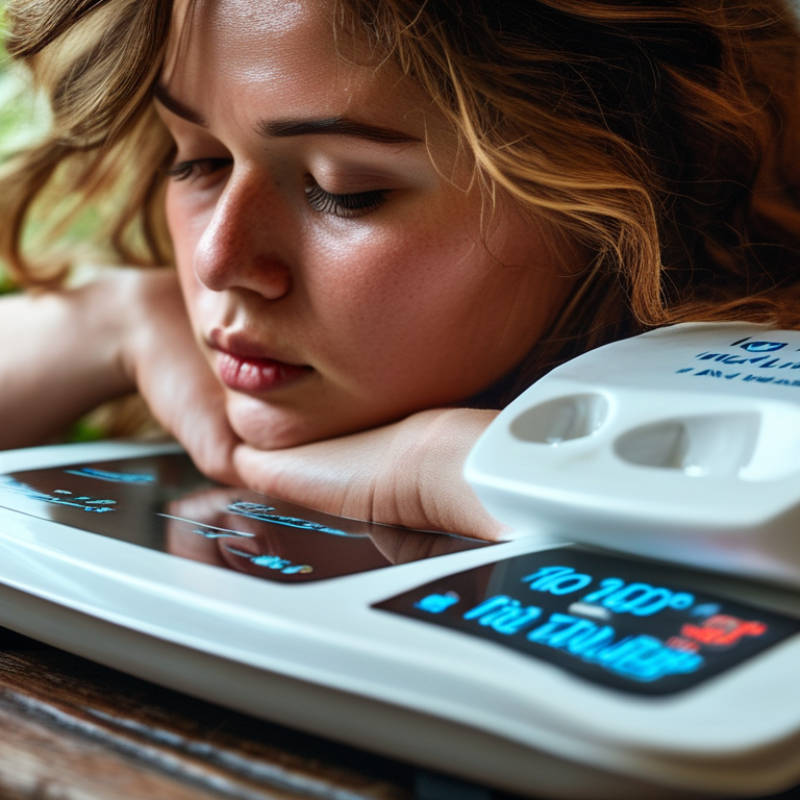
10 Reasons You Are Not Losing Weight After Fat Freezing?

Factors Influencing the Effectiveness of Fat Freezing Procedures

When considering fat freezing as a method for weight loss, several factors can impact its effectiveness. One major aspect is individual metabolism. According to a study published in the Journal of Clinical Endocrinology and Metabolism, metabolic rates vary significantly among individuals. A slower metabolism means that the body may not burn fat as efficiently, leading to less noticeable results post-procedure.

Another critical factor is the person's overall lifestyle. Regular physical activity and a balanced diet play crucial roles in enhancing the outcomes of fat freezing. Research from the Obesity Society indicates that combining non-invasive body contouring with consistent exercise can lead to an average fat loss of over 30%. People who neglect exercise may find it harder to see results, even after undergoing the procedure.

Psychological factors also matter. Emotional eating or stress can sabotage efforts to maintain weight after fat freezing. A study in the Journal of Behavioral Medicine highlighted that individuals often underestimate the impact of their eating habits on weight management. Awareness and accountability can lead to more successful outcomes. Reflecting on these nuances can help individuals set realistic expectations for their body transformation journey.

10 Reasons You Are Not Losing Weight After Fat Freezing? - Factors Influencing the Effectiveness of Fat Freezing Procedures

Factor Description Impact Level
Metabolism Rate Individuals with slower metabolisms may not burn off calories efficiently. High
Diet Maintenance of a high-calorie or unhealthy diet can counteract fat loss. Critical
Hydration Levels Inadequate water intake can slow down physiological processes. Moderate
Exercise Routine Lack of physical activity may limit weight loss potential post-treatment. High
Genetics Genetic predispositions can affect body fat distribution and metabolism. Moderate
Hormonal Imbalances Hormones play a significant role in weight regulation. High
Post-Treatment Care Neglecting aftercare instructions may hinder outcomes. Critical
Sleep Quality Poor sleep can affect metabolism and hunger hormones. Moderate
Stress Levels High stress can lead to unhealthy eating behaviors and weight gain. High
Long-Term Expectations Expectations of immediate results may cloud realistic assessments. Moderate

Understanding Individual Body Responses to Cold Therapy

Fat freezing, also known as cryolipolysis, has gained popularity for its ability to target stubborn fat. However, individual body responses to this therapy can vary significantly. According to a study published in the *Journal of Cosmetic Dermatology*, around one-third of patients reported minimal to no weight loss after procedures. This variability often stems from genetic predispositions and metabolic rates that influence fat loss results.

Body composition and adherence to a healthy lifestyle play crucial roles in the effectiveness of fat freezing. Data shows that integrating cryolipolysis with regular exercise and dietary adjustments leads to better outcomes. However, some individuals may find it challenging to maintain these changes, which can hinder progress. Emotional factors, like motivation and stress levels, also affect how well one's body responds.

Additionally, factors such as age and hormonal changes can impact results. Older adults may experience slower fat loss due to decreased metabolic rates. If you have underlying health conditions, they could also alter your body’s response to cold therapy. Understanding these individual factors can guide realistic expectations and health strategies surrounding fat freezing treatments.

Common Lifestyle Habits That Can Impact Weight Loss

Fat freezing, also known as cryolipolysis, has gained traction as a popular fat reduction method. However, many people find weight loss elusive even after the procedure. Common lifestyle habits play a significant role in determining post-treatment success.

Diet significantly impacts weight loss. Consuming high-calorie foods can negate the effects of fat freezing. A study published in Obesity Reviews revealed that diet alone accounts for 80% of weight loss outcomes. Incorporating more whole foods can help. Opt for lean proteins, vegetables, and whole grains. It’s also crucial to stay hydrated. Water intake can influence metabolism and hunger levels.

Physical activity is another key factor. The World Health Organization suggests at least 150 minutes of moderate exercise weekly for effective weight management. Skipping workouts can stall weight loss. Consider integrating short workouts into your day. Even a 10-minute walk can boost calorie burn.

Tip: Track your food intake and exercise. It holds you accountable and highlights habits to change.

Sleep and stress levels should not be overlooked. A lack of sleep affects hunger hormones, leading to overeating. Stress can trigger emotional eating, resulting in weight gain. Find healthy coping mechanisms like yoga or meditation to manage stress levels.

Tip: Prioritize sleep routines and take breaks to recharge your mind.

The Importance of Follow-Up Care After Fat Freezing Treatments

After undergoing fat freezing treatments, many expect to see immediate results. However, the reality can be different. Follow-up care is crucial in this journey. It ensures that the body processes the eliminated fat effectively. During this stage, personal habits play a significant role in overall success. This includes maintaining a balanced diet and incorporating regular exercise into daily routines.

Inadequate follow-up care may lead to slower results. Some people neglect to check in with professionals. Ignoring advice about nutrition and physical activity can hinder progress. Emotional well-being also impacts weight loss. Stress and lack of support can lead to unhealthy choices. Therefore, it’s essential to establish consistent check-ins with a specialist.

Every individual's experience varies. Some may find it difficult to stay motivated. Adjustments to lifestyle may be required over time. Documenting daily habits could provide insights into personal challenges. Personal reflection on these areas is vital. Recognizing and addressing these factors can enhance the effectiveness of fat-freezing treatments and support gradual weight loss.

Realistic Expectations: What Fat Freezing Can and Cannot Achieve

Fat freezing, or cryolipolysis, is popular for fat reduction. Many expect quick results. However, understanding its limitations is key. Fat freezing targets specific areas, but significant weight loss isn’t guaranteed. Results can vary widely among individuals.

Tips: Set realistic goals. Combating fat loss often involves more than just one treatment. Maintaining a balanced diet and regular exercise can enhance results. Monitoring body changes is important too. Remember, it’s not only about losing weight but reshaping your body over time.

Consult with qualified professionals before undergoing treatment. They can help assess your unique body composition. If you’re not seeing results, it may be time to reconsider your expectations. Reflecting on your overall health strategy can yield better outcomes. Achieving the body you desire requires a holistic approach, not just singular solutions.

FAQS

: What should I expect from fat freezing treatments?

: Fat freezing targets specific areas, but significant weight loss isn’t guaranteed. Results vary by individual.

How does diet influence fat freezing results?

Diet alone accounts for 80% of weight loss outcomes. High-calorie foods can negate fat freezing effects.

What role does exercise play in post-treatment weight loss?

Regular physical activity boosts calorie burn. Aim for at least 150 minutes of moderate exercise weekly.

How can stress affect my weight loss journey?

Stress can trigger emotional eating, leading to weight gain. Find effective coping mechanisms to manage stress.

Why might some people experience minimal weight loss after treatment?

Genetic predispositions, metabolic rates, and underlying health conditions can all hinder fat loss results.

How important is sleep for weight management?

Lack of sleep affects hunger hormones and can lead to overeating. Prioritize sleep routines for better outcomes.

Can I combine fat freezing with other lifestyle changes?

Yes, integrating cryolipolysis with exercise and a balanced diet leads to better results over time.

What if I don’t see expected results after fat freezing?

Reflect on your overall health strategy. Consult qualified professionals to reassess your approach.

Is fat freezing a solution for everyone?

Not necessarily. Individual factors like age and body composition will influence effectiveness and outcomes.

How can I stay accountable during my weight loss journey?

Tracking food intake and exercise can help you stay accountable and identify habits needing change.

Conclusion

The article "10 Reasons You Are Not Losing Weight After Fat Freezing" explores the various factors that can influence the effectiveness of fat freezing procedures. One significant aspect discussed is the individual body's response to cold therapy, which can vary greatly from person to person. Additionally, common lifestyle habits, such as diet and exercise routines, often play a crucial role in the overall success of weight loss efforts. It's noted that many individuals may find themselves questioning, "Why am I not losing weight after fat freezing?" due to unrealistic expectations about the procedure’s outcomes.

The importance of follow-up care is highlighted, as it can significantly affect the results of fat freezing treatments. This article emphasizes that while fat freezing can help reduce localized fat, it is not a miracle solution for weight loss. Understanding the realistic expectations of what fat freezing can achieve, along with maintaining healthy habits and continual support, is essential for those hoping to achieve their weight loss goals effectively.

Oliver

Oliver

Oliver is a seasoned marketing professional with a wealth of expertise in driving brand awareness and engagement. With a deep understanding of our company's product offerings, he consistently delivers high-quality content that enriches our professional blog. His insights not only shed light on......