2026 Top Anti Aging Laser Treatment What to Expect?

Time:2026-10-24 Author:Mason
0%

Choosing the right laser can feel confusing. “Anti-aging laser” describes several technologies, not one universal treatment. Fractional ablative lasers remove controlled layers of skin, while non-ablative devices heat deeper tissue with less visible injury. Your skin tone, concerns, medications, and recovery preferences all matter.

Industry data shows why interest continues to grow. The ISAPS Global Survey reported millions of nonsurgical aesthetic procedures worldwide in 2023, confirming strong demand for lower-downtime options. The American Society for Dermatologic Surgery’s consumer research also consistently identifies uneven tone, wrinkles, and sun damage as common treatment concerns. These reports show popularity, not guaranteed success. That distinction matters.

What to expect after anti aging laser treatment depends on the device and treatment intensity. Mild redness may resemble sunburn. Skin can feel warm, tight, or rough for several days. Ablative treatments usually require longer healing, while non-ablative sessions may allow faster return to normal activities. Results often develop gradually as collagen remodeling continues over several weeks or months.

Expect a careful consultation first. A qualified dermatologist should review your medical history, previous procedures, pigmentation risk, and realistic goals. Ask about settings, expected downtime, aftercare, and possible complications. Eye protection is essential during treatment. Daily broad-spectrum sunscreen is also important after treatment, because ultraviolet exposure can worsen discoloration and delay recovery.

Some changes may be subtle. That is not failure. Laser treatment cannot stop natural aging, and one session may not produce dramatic improvement. Experienced providers document baseline skin condition and use standardized photographs. This makes progress easier to judge, although photographs can still mislead. Individual outcomes vary, so informed expectations remain more valuable than bold promises.
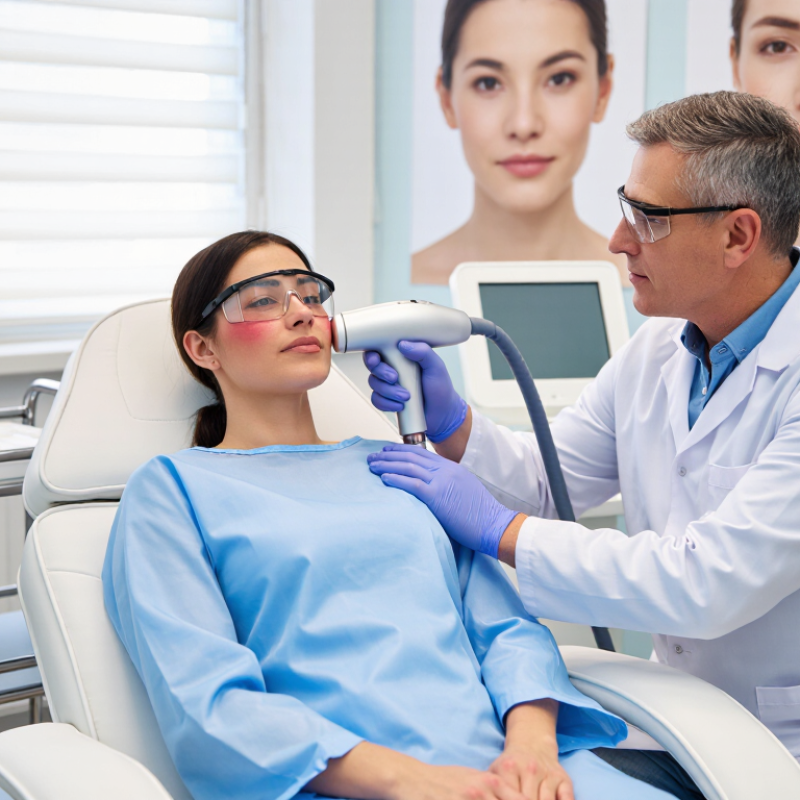
2026 Top Anti Aging Laser Treatment What to Expect?

What Is Anti-Aging Laser Treatment?

Anti-aging laser treatment is a medical procedure that uses controlled light energy to improve visible signs of skin aging. Depending on the device, it may target uneven pigmentation, fine lines, acne scars, redness, or rough texture. Some lasers remove tiny surface layers, while others heat deeper tissue without significant peeling. This controlled injury encourages collagen remodeling during healing.

A qualified dermatologist should examine your skin before treatment. Skin tone, sensitivity, medications, sun exposure, and medical history can affect safety and results.

Treatment may feel warm, prickly, or briefly uncomfortable. Redness and swelling are common afterward, and recovery can range from a few days to several weeks.

Results usually develop gradually, not overnight. That can feel disappointing, but gradual change often looks more natural. No laser can stop aging completely.

Tips:

Ask which laser type is recommended and why. Request clear information about downtime, side effects, and realistic results. Protect treated skin from sunlight with shade and broad-spectrum sunscreen. Do not pick peeling skin. Follow the aftercare plan carefully, even if healing seems normal. A consultation should feel informative, not rushed. Be cautious when promises sound perfect.

How Does Laser Skin Rejuvenation Work?

How Does Laser Skin Rejuvenation Work?

Laser skin rejuvenation uses controlled light energy to encourage healthier skin renewal. The energy reaches selected skin layers without treating every area identically. Depending on the laser type, it may gently heat tissue or remove tiny columns of damaged skin. This process can soften fine lines, uneven texture, sun spots, and some acne scars. It is not magic. Your skin still needs time to repair itself.

Before treatment, a qualified medical professional examines your skin tone, sensitivity, medications, and healing history. Eye protection is essential during the procedure. You may feel warmth, snapping, or a mild prickling sensation. Cooling methods can make the experience more comfortable. Treatment intensity should match your goals, skin condition, and tolerance, not a standard setting.

Afterward, redness and swelling may resemble a mild sunburn. Small dark spots or rough patches can appear as treated pigment leaves the surface. New collagen develops gradually over several weeks or months. Daily broad-spectrum sun protection supports healing and reduces pigment changes. People with deeper skin tones may face a higher risk of temporary darkening, so careful settings and test areas matter. Results can be uneven. Even experienced clinicians cannot predict every response, and multiple sessions may be needed.

Which Laser Treatments May Be Used in 2026?

In 2026, anti-aging laser treatment will likely remain personalized rather than universal. The 2023 ISAPS Global Survey recorded more than 19 million nonsurgical aesthetic procedures worldwide. However, it did not separate every laser subtype. That limitation matters. Popularity does not prove suitability.

Fractional non-ablative lasers may target fine lines, uneven tone, and mild texture changes. They heat microscopic columns of skin while leaving surrounding tissue intact. Recovery often involves redness for one to several days. Fractional ablative lasers remove more surface tissue. They may create stronger resurfacing, but swelling, peeling, and longer downtime can follow. Some patients may need several weeks before their skin looks settled.

Pigment-focused lasers may be considered for selected sun spots, while vascular settings may address visible redness. Picosecond systems can be discussed for pigment and texture, although evidence varies by indication and skin type. These are not interchangeable treatments. A darker skin tone may face a higher risk of post-inflammatory hyperpigmentation, especially after aggressive settings. Conservative parameters can be safer, but results may develop more slowly.

The American Society for Dermatologic Surgery’s consumer research consistently shows strong interest in improving signs of aging, yet demand can outrun informed expectations. A qualified medical provider should review medications, recent tanning, scarring history, and skin sensitivity. Ask about the device category, expected downtime, eye protection, and complication management. Even excellent treatment can produce uneven results. That uncomfortable possibility deserves honest discussion.

What to Expect Before, During, and After Treatment

2026 Top Anti Aging Laser Treatment: What to Expect?

Before treatment, schedule a consultation with a licensed dermatologist or qualified medical practitioner. They should examine your skin, medical history, medications, and previous procedures. Different lasers target wrinkles, sun spots, redness, or uneven texture. One treatment cannot safely address every concern. Ask about expected results, downtime, possible pigment changes, and the provider’s experience with your skin tone. Avoid tanning, and report recent infections or cold sores. Small details matter.

During treatment, protective eyewear shields your eyes. You may feel warmth, snapping, or brief stinging. Some patients need a topical anesthetic, while others tolerate the session without it. The provider may use cooling air to reduce discomfort. Settings should be adjusted carefully, not chosen by urgency. Treatment can last from several minutes to an hour. Your skin may appear pink or swollen afterward. It is not a race.

After treatment, mild redness, tightness, swelling, or peeling can occur. Follow the written aftercare instructions closely. Use a gentle cleanser, a plain moisturizer, and broad-spectrum sunscreen. Do not pick flaking skin or return quickly to intense heat. Results often develop over several weeks, and multiple sessions may be recommended. Improvement is usually gradual, not dramatic overnight. Even careful treatment can cause burns, infection, scarring, or darker pigmentation. Contact your clinician if pain, blistering, or swelling worsens. Perfect results are not promised.

What Are the Benefits, Risks, and Recovery Time?

Top Anti Aging Laser Treatment: What to Expect

Laser resurfacing can soften fine lines, uneven tone, and rough texture. It works by stimulating collagen or removing damaged surface layers. Results depend on the laser type, skin condition, and treatment settings. A qualified dermatologist should examine your skin, medications, and healing history before treatment. Ask for realistic before-and-after examples from patients with similar skin.

Benefits may include smoother cheeks, smaller-looking pores, and a more even complexion. Some people notice brightness within weeks, while collagen changes continue for several months. Improvement is gradual. It is not a permanent pause button for aging.

Risks include redness, swelling, burning, crusting, acne flares, infection, and temporary or lasting pigment changes. Darker skin tones may need cautious settings and careful preparation. Eye protection is essential. Never treat suspicious lesions without medical assessment.

Recovery varies from two or three days after a gentle session to several weeks after deeper resurfacing. Your clinician may recommend bland moisturizer, prescribed care, and strict broad-spectrum sunscreen. Avoid picking peeling skin, hot baths, intense exercise, and unapproved products during healing.

Follow-up matters. Contact the clinic for worsening pain, spreading redness, pus, fever, or vision changes.

I would not choose treatment based only on dramatic photographs; lighting, filters, and healing time can mislead. Even expert advice has limits, and your skin may respond differently.

FAQS

What is anti-aging laser treatment?

It uses controlled light energy to improve visible signs of skin aging. It may soften fine lines, sun spots, acne scars, and rough texture. It cannot stop aging completely. Results develop gradually.

How does laser skin rejuvenation work?

The laser heats selected tissue or removes tiny surface columns. This controlled injury encourages skin renewal and collagen remodeling. Healing takes time. It is not magic.

What happens during the procedure?

A qualified medical professional examines your skin first. Eye protection is essential during treatment. You may feel warmth, snapping, or mild prickling. Cooling can improve comfort.

How long does recovery usually take?

Recovery may last several days or several weeks. Redness and swelling can resemble a mild sunburn. Rough patches or tiny dark spots may appear. Healing is not always neat.

When will I see results?

Early changes may appear after the skin settles. New collagen develops over several weeks or months. Some people need multiple sessions. Overnight perfection is unrealistic.

Is laser treatment suitable for every skin tone?

Skin tone affects treatment settings and possible side effects. Deeper skin tones may face a higher risk of temporary darkening. A test area may help assess your response. Results can still be uneven.

What should I ask before treatment?

Ask which laser type is recommended and why. Request clear details about downtime, side effects, and realistic results. Discuss medications, sensitivity, sun exposure, and healing history. Do not feel rushed.

How should I care for treated skin?

Protect the area from sunlight with shade and broad-spectrum sunscreen. Follow the aftercare plan carefully. Do not pick peeling skin or rough patches. I might underestimate healing, so patience matters.

Conclusion

Anti-aging laser treatment is a non-surgical approach designed to improve visible signs of skin aging, such as fine lines, uneven texture, sun-related discoloration, and mild loss of firmness. By delivering controlled light energy into targeted skin layers, laser skin rejuvenation can encourage collagen remodeling, support smoother texture, and refresh the overall appearance. In 2026, treatment options may include gentler surface treatments, deeper resurfacing procedures, and customized combination approaches, depending on skin type, concerns, and desired results.

Before treatment, a qualified professional will review your medical history, skincare routine, and expectations, then create a personalized plan. During the procedure, you may feel warmth, tingling, or brief discomfort, with protective measures used for comfort and safety. What to expect after anti aging laser treatment includes temporary redness, sensitivity, dryness, or mild swelling, followed by gradual improvement as the skin heals. Recovery time varies from minimal downtime to several days or more, depending on treatment intensity. Consistent sun protection and professional aftercare are essential for safe, lasting results.

Mason

Mason

Mason is a seasoned marketing professional with a deep expertise in the company's offerings and a passion for driving brand awareness. With a strong background in digital marketing strategies, he has an innate ability to connect with diverse audiences and effectively communicate product benefits.......