In the quest for youthful skin, many are turning to at-home skin tightening devices. These innovative tools promise to deliver salon-like results without the hefty price tag. However, understanding how to use an at home skin tightening device effectively is crucial to achieving desired outcomes.
With various options on the market, it can feel overwhelming. Some devices use advanced technology like radiofrequency or ultrasound, while others rely on simpler methods. Each device has its unique specifications, making it important to follow the manufacturer's instructions closely. Striking the right balance in usage is essential. Too much can lead to irritation, while too little may yield no noticeable effects.
Many users report initial excitement about effective results, but consistency is key. Regular use, patience, and realistic expectations play a significant role in the journey. It may take time to see changes, and results can vary. Reflecting on your skin type and specific needs is critical. Ultimately, informed and careful usage can help unlock the potential of these devices in your skincare routine.
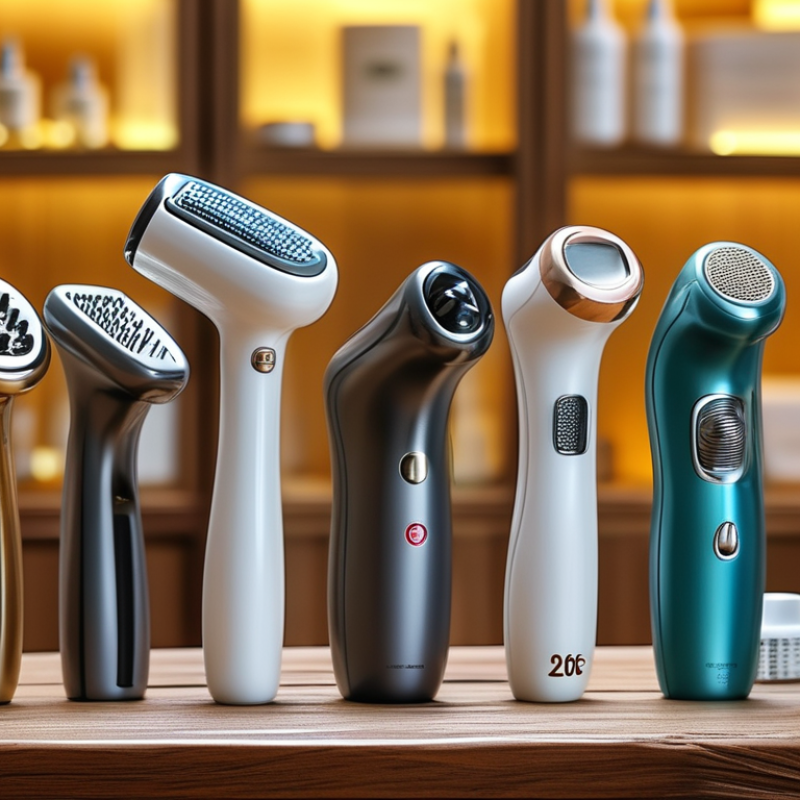
In 2026, at-home skin tightening devices have gained popularity. Many users appreciate the convenience of these tools. They offer a chance to achieve firmer skin without visiting a salon. Users often report visible results within weeks. However, not every device works the same for everyone. Individual skin types and concerns play significant roles in efficacy.
When choosing a device, research is critical. Look for those with proven technologies such as RF or EMS. These methods stimulate collagen production effectively. Read user reviews carefully; real experiences provide valuable insights. Some devices may cause mild discomfort or irritation. Always patch test before full use to avoid adverse reactions.
Using these devices requires consistency. Regular sessions yield the best results. Follow the manufacturer's instructions closely to maximize benefits. Document your journey to track progress. Over time, you may notice subtle yet encouraging changes. Be patient, as skin tightening is not an overnight fix. Embrace the process, and celebrate small milestones along the way.
Skin tightening devices have gained popularity for their ability to combat sagging skin at home. Understanding the science behind these devices is essential. Most skin tightening technologies utilize radiofrequency, ultrasound, or microcurrent. These methods stimulate collagen production, which is crucial for maintaining skin elasticity and firmness. When used regularly, they may improve skin texture over time.
The effectiveness of these devices hinges on proper use. Users often overlook consistency. It’s vital to follow guidelines for the best results. Some people report initial improvements but then lose patience, leading to inconsistent application. Factors such as skin type and age can also influence outcomes. Additionally, results may take time, prompting reevaluations of expectations.
While skin tightening devices can offer benefits, not all experiences will be the same. It’s important to approach with realistic goals. Sometimes, advice from professionals can enhance results significantly. Missing preventative measures like proper skincare can affect efficacy. Keeping a diary of usage may help identify patterns. Tracking progress allows users to understand what works best for them.
When it comes to skin tightening at home, using devices can be effective. Many health professionals recommend these tools for improving skin elasticity. Various studies suggest that regular use can lead to noticeable results in just a few weeks.
To begin, prepare your skin by cleansing it gently. This allows the device to work more effectively. Apply a conductive gel or serum that complements your device. Many users find that this enhances results. Lightly glide the device over your face and neck for the best effect, following manufacturer instructions. Consistency is key, with experts advising 3-4 times per week for optimal benefits.
**Tip:** Use a timer to avoid exceeding recommended exposure time. Overuse can lead to irritation or discomfort.
Stay mindful of your skin's reactions. Some may experience redness or sensitivity post-treatment. These signs often indicate that your skin is responding. With time, you may adjust your routine to find what works best. Balancing device use with a good skincare regimen is crucial for long-lasting effects.
**Tip:** Document your progress with photos to monitor changes. This can motivate you as you witness improvements.
When using at-home skin tightening devices, safety must be a priority. Start by reviewing the manufacturer's guidelines. Understanding your device's specific functions will help you avoid mishaps. A patch test on a small skin area can reveal potential sensitivities. Always ensure your skin is clean to prevent irritation.
Be mindful of settings when using these devices. Higher settings might seem effective, but they can lead to burns or discomfort. Start with the lowest intensity. Listen to your body and adjust accordingly. If you notice redness or swelling, pause and reassess your method. Hydration is crucial, as dry skin can react poorly.
Consult a professional if unsure. They can provide insights that enhance safety while optimizing results. Remember, the goal is improvement, not perfection. Document your experiences to learn from any challenges you face. Body awareness will guide you toward the most beneficial outcomes.
When considering skin tightening at home, it's crucial to assess different devices based on their features and benefits. With a growing market valued at approximately $4.6 billion in 2022, the demand for effective home solutions is clear. Devices like radio frequency (RF) treatments create heat to stimulate collagen production. According to a recent study, RF treatments can improve skin elasticity by about 30% after consistent use over three months.
Ultrasound technologies are also popular for their non-invasive benefits. Research shows that they can reach deeper layers of the skin, making them effective for firming effects. Many users report noticeable improvements in skin texture after just a few sessions. However, these devices may vary in effectiveness depending on individual skin types. Some users find that results diminish over time, requiring adjustments in frequency or type of treatment.
It's essential to follow manufacturer guidelines for optimal results. Many devices recommend a regimen of two to three times per week. Yet, overuse can lead to skin irritation, highlighting the need for a balanced approach. While the technology is promising, personal experiences can vary widely. Tracking progress through photos can provide better insights into what works best for you.
| Device Type | Key Features | Benefits | Usage Frequency | Price Range ($) |
|---|---|---|---|---|
| Microneedling Device | Adjustable needle depth, built-in safety features | Promotes collagen production, improves skin texture | Once a month | 100 - 300 |
| Ultrasound Device | High-frequency ultrasound waves, deep tissue stimulation | Improves skin elasticity, lifts facial contours | 2-3 times a week | 150 - 400 |
| Radiofrequency Device | Non-invasive RF technology, skin tightening | Reduces wrinkles, tightens loose skin | Weekly | 200 - 500 |
| LED Light Therapy Device | Multiple light settings, portable design | Improves skin tone, reduces inflammation | Daily | 50 - 300 |
| Microwave Radiofrequency Device | Deep tissue heating, rapid treatment times | Quick results, lengthy results | Bi-weekly | 250 - 600 |
: They are tools that help achieve firmer skin without salon visits. Many users enjoy their convenience.
Most use radiofrequency, ultrasound, or microcurrent to stimulate collagen. This improves skin elasticity and texture.
Users often notice improvements within weeks. However, patience is necessary as results vary for each person.
Some users may experience mild irritation. Always patch test before full use to avoid adverse reactions.
Research is vital. Look for proven technologies and read user reviews for insights. Individual skin types matter.
Following manufacturer guidelines is critical, usually two to three times a week. Consistency yields the best results.
Yes, professional advice can enhance outcomes. Understanding your skin's needs can lead to better experiences.
It's common to feel discouraged. Keep documenting your journey, as subtle changes may occur over time.
Keeping a diary or taking photos helps identify patterns. It shows what treatments are more effective for you.
Missing preventative measures can affect efficacy. Appropriate skincare routines support the effects of tightening devices.
In 2026, at-home skin tightening devices have gained popularity for those seeking non-invasive ways to enhance their skin's elasticity and firmness. This article reviews the best at-home skin tightening devices available and explains how these technologies work. Understanding the science behind their effectiveness is crucial for maximizing results.
Additionally, a step-by-step guide provides clear instructions on how to use an at home skin tightening device effectively, ensuring users can achieve optimal outcomes safely. Safety tips and necessary precautions are also discussed to help prevent adverse effects while using these devices. Finally, a comparison of popular options highlights key features and benefits, assisting readers in making informed choices for their skincare routines.
